

By Bus Obayomi
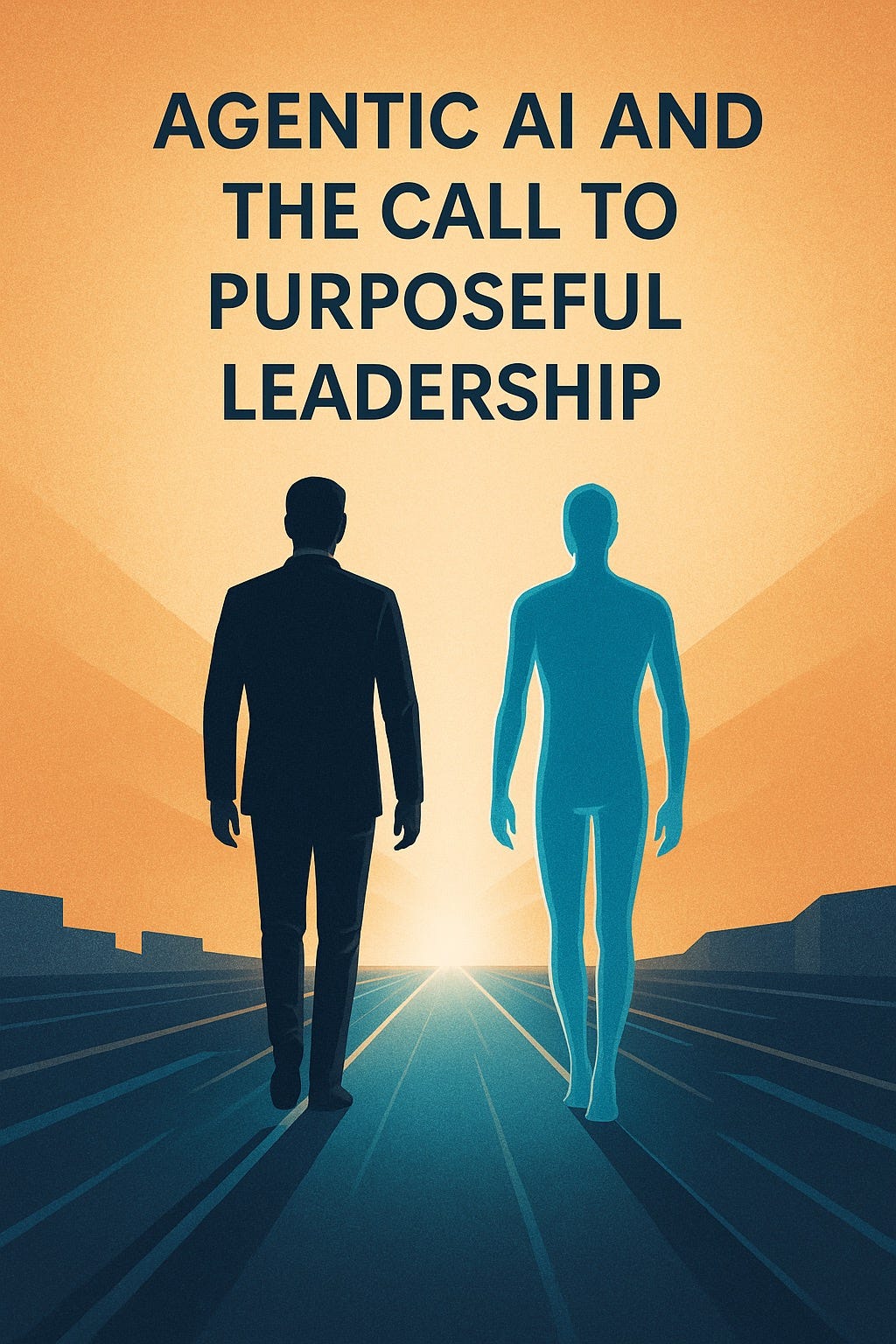
We’re standing at the edge of a new era in artificial intelligence—one where machines are no longer passive tools, but active participants in shaping outcomes. This is the world of Agentic AI: systems that don’t just respond to prompts, but operate with autonomy, intention, and goal orientation.
The question we must now ask isn’t can AI do more. It’s should it—and according to whose values?
As a professional working at the intersection of technology, leadership, and community, I believe this shift calls for more than innovation. It calls for discernment. It’s not just about what we can build—it’s about who we are while building it.
🤖 What Is Agentic AI?
Agentic AI refers to systems that possess the ability to:
Act independently toward defined goals
Adapt dynamically to new environments or obstacles
Plan actions based on available information
Collaborate with human users in meaningful ways
These agents aren’t just smart assistants—they’re collaborators. They bring agency to automation. But with greater capability comes greater ethical responsibility.
🔍 My Shared Values in the Age of Autonomy
As AI grows more agentic, it must be anchored in something deeper than data. Here’s what I bring into this conversation—not just as a technologist, but as a father, a believer, a community leader:
1. Identity & Calling
AI systems must be built with intentionality. Just like people, they need purpose and limits. In my view, technology without a sense of direction is like leadership without a mission.
2. Stewardship over Control
My philosophy of leadership is rooted in stewardship—not dominance. We are called to care for what we’ve been entrusted with. That includes how we use (and regulate) powerful tools like AI. The more capable the system, the more humble the steward must be.
3. Mutual Partnership
True progress happens when humans and machines work in partnership—not when one replaces the other. I believe in AI systems that are designed to submit to human values, not override them. In leadership, we call that mutual submission. It’s powerful—and rare.
4. Innovation with Moral Intent
I’ve seen firsthand that innovation isn’t neutral. Every system we build reflects its creators. We must ask: Does this serve people—or just profits? Does it reflect wisdom—or simply capability?
5. Legacy & Multiplication
What we build today will shape the next generation. I want my children to inherit ethical systems, accountable leaders, and a technological landscape shaped by justice and truth. Not just efficiency.
🌍 Why This Matters Now
Agentic AI is not a distant future—it’s already here.
It’s in how we govern cities.
It’s in how we invest in healthcare and education.
It’s in how we choose to lead—with intention, or with impulse.
The future of AI leadership won’t be shaped by the most advanced algorithms alone. It will be shaped by the most anchored people—those who know who they are, what they value, and where they are going.
🛠 Final Word: We Are the Architects
The AI we unleash into the world will reflect us.
Will it reflect character, clarity, and compassion?
Or will it mirror only our speed and scale?
The choice is ours. And the call is now.
Let’s build systems that reflect not only what’s possible—but what’s principled. Let’s write code and policy with our eyes on the future and our hearts rooted in purpose.
Because AI shouldn’t just be agentic.
It should be aligned.
🔔 Subscribe for more reflections on leadership, faith, and the future of intelligent systems.
👥 Share with someone who cares about building with purpose.