

Sometimes, the best moments aren’t planned—they’re aligned.
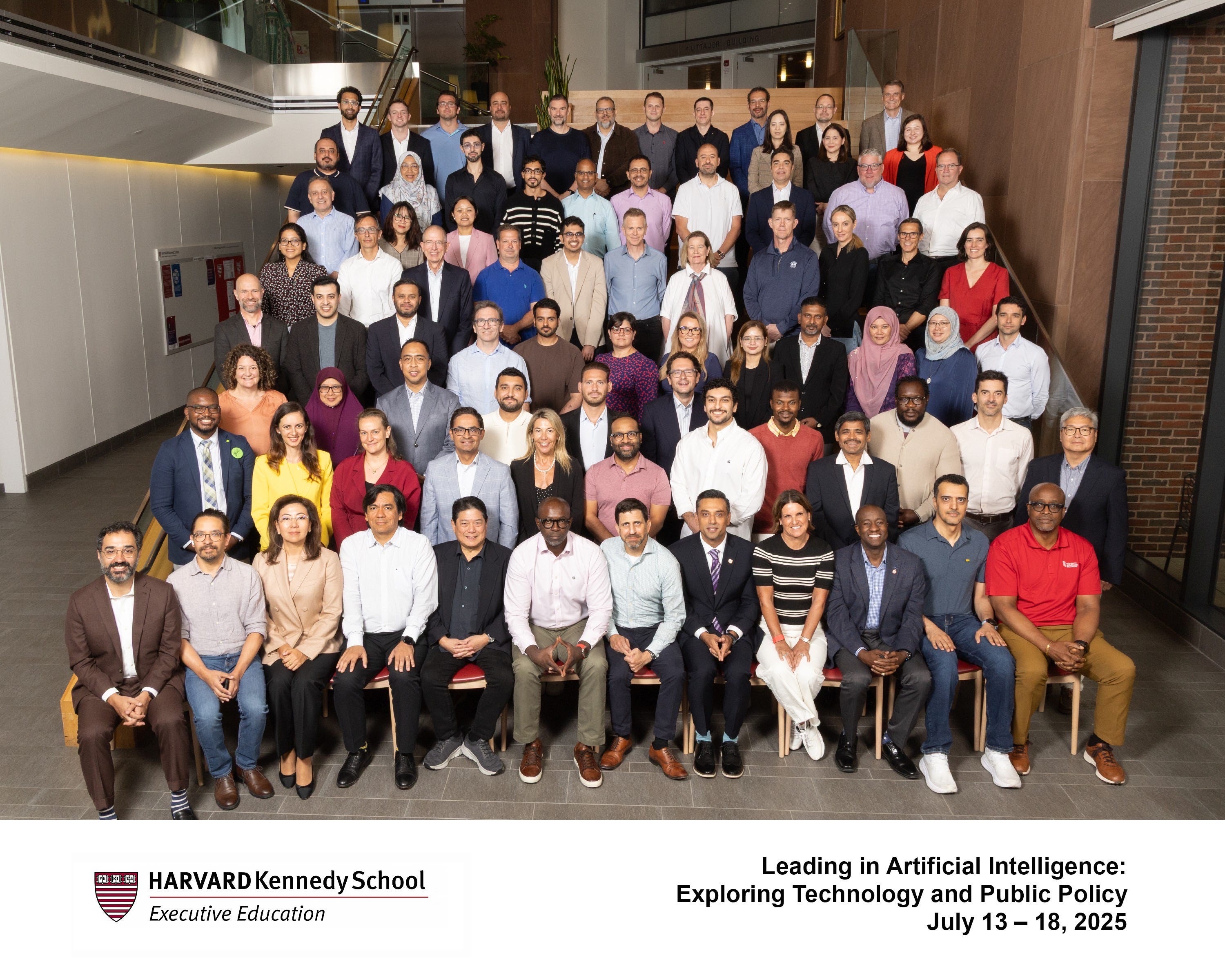
Earlier this month, I saw a LinkedIn post by one of our GPS AI & Data leaders at Deloitte sharing that she would be speaking at the CDOIQ Symposium at MIT. I remember thinking, what a coincidence—it’s happening the same week I’ll be at Harvard.
Fast forward to today: during my lunch break from Harvard Kennedy School, I drove just a few blocks to attend the Deloitte-led MIT event. And I’m so glad I did.
A Happy Intersection: Harvard & Deloitte
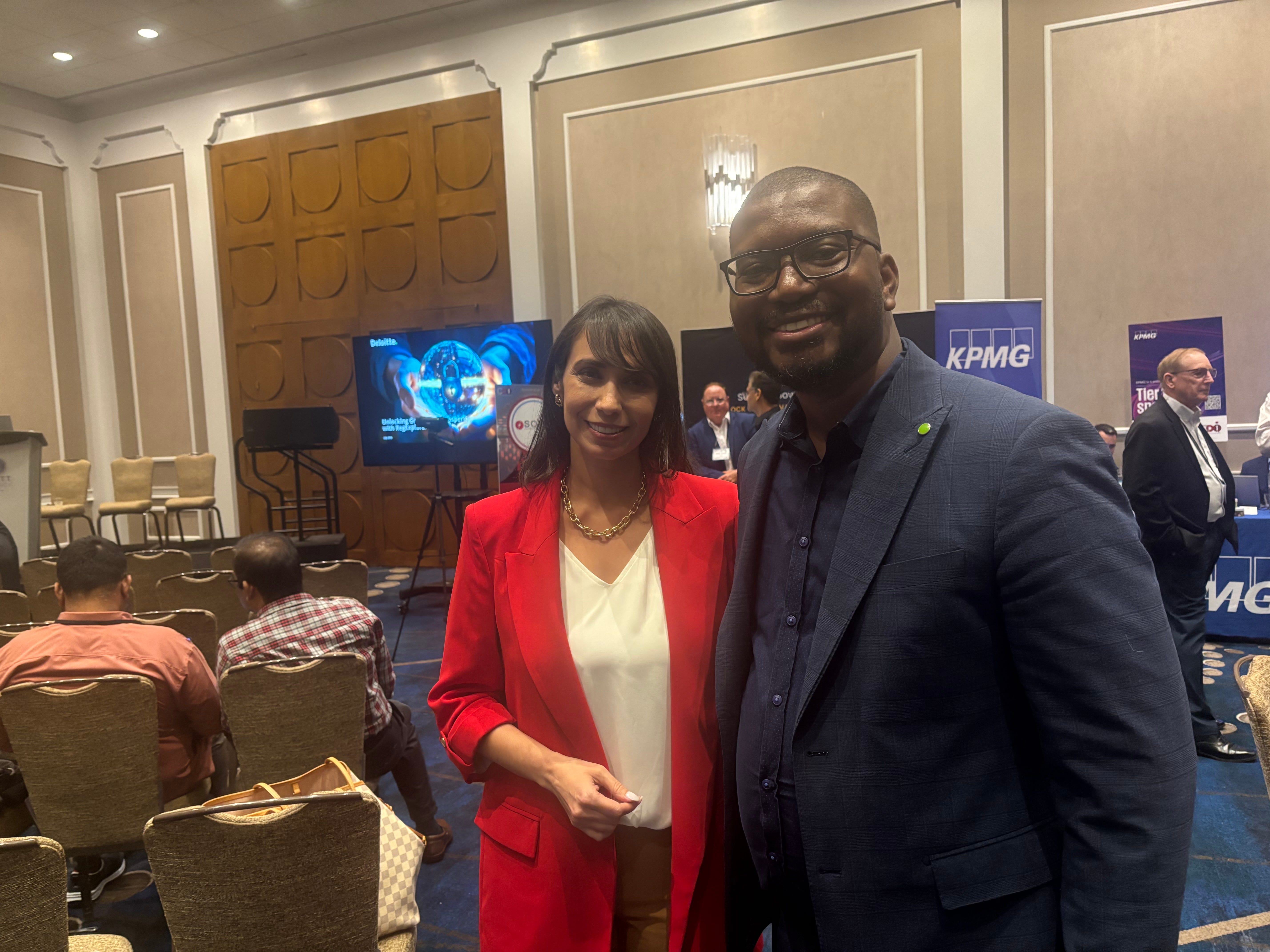
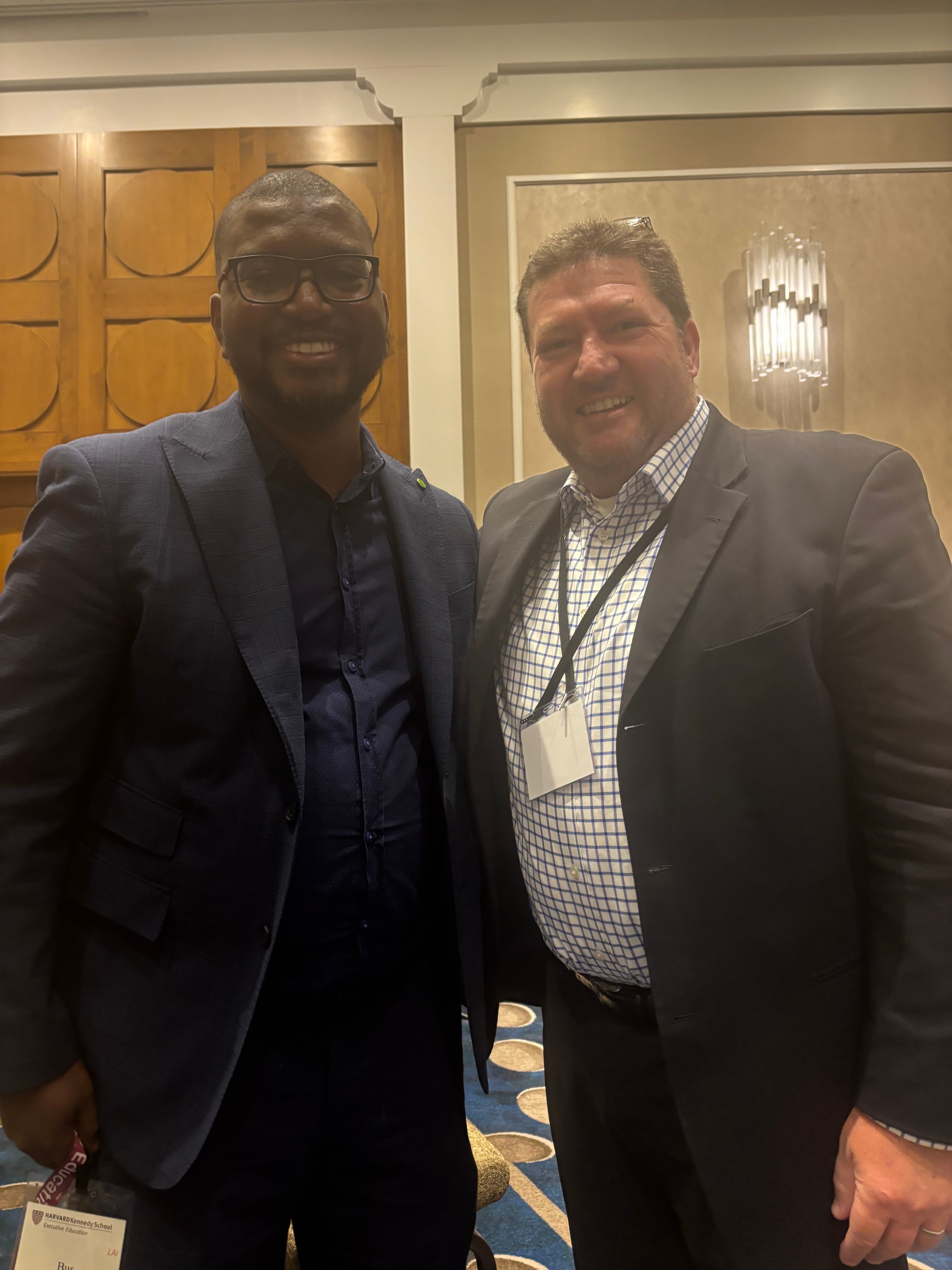
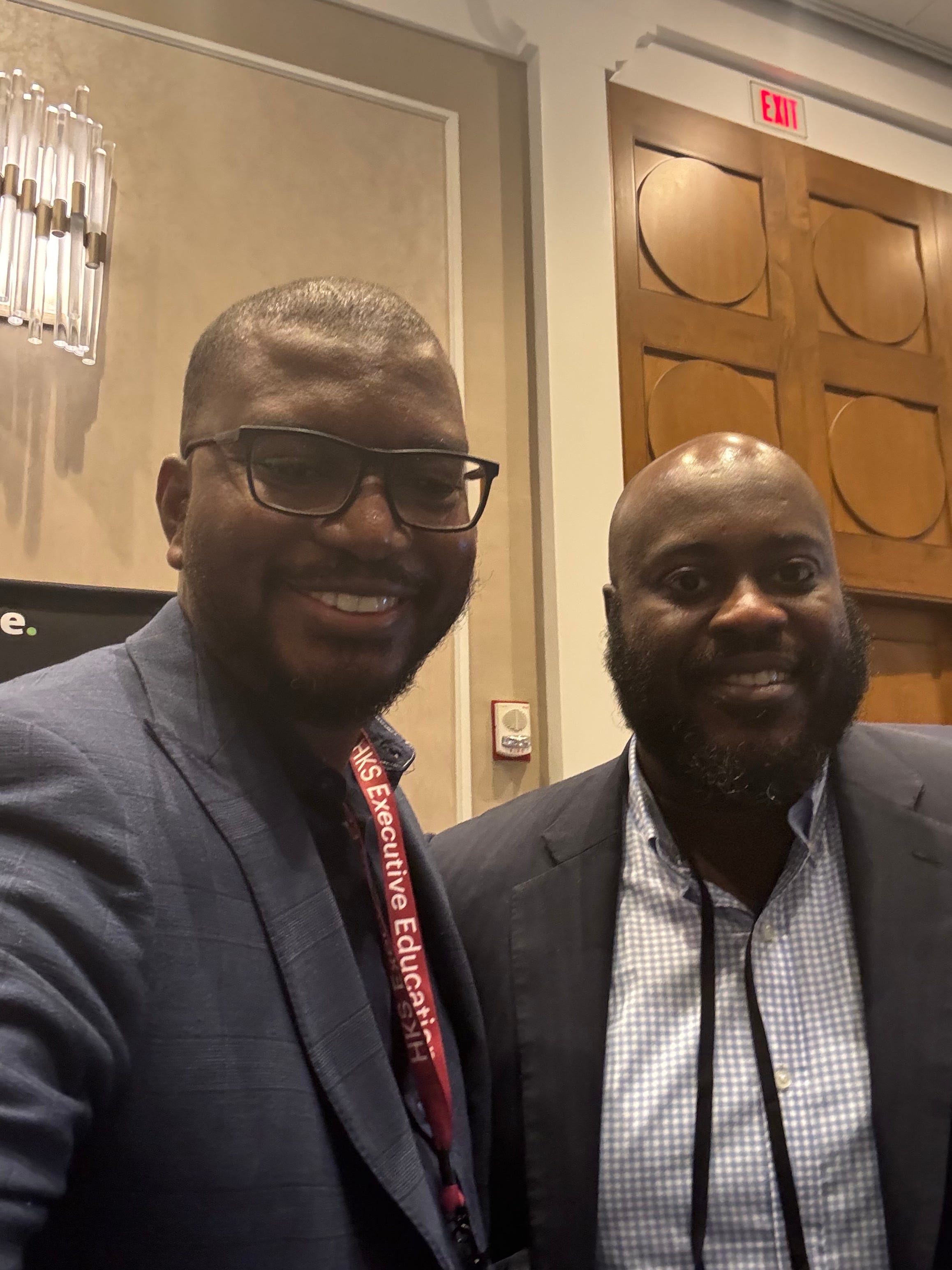
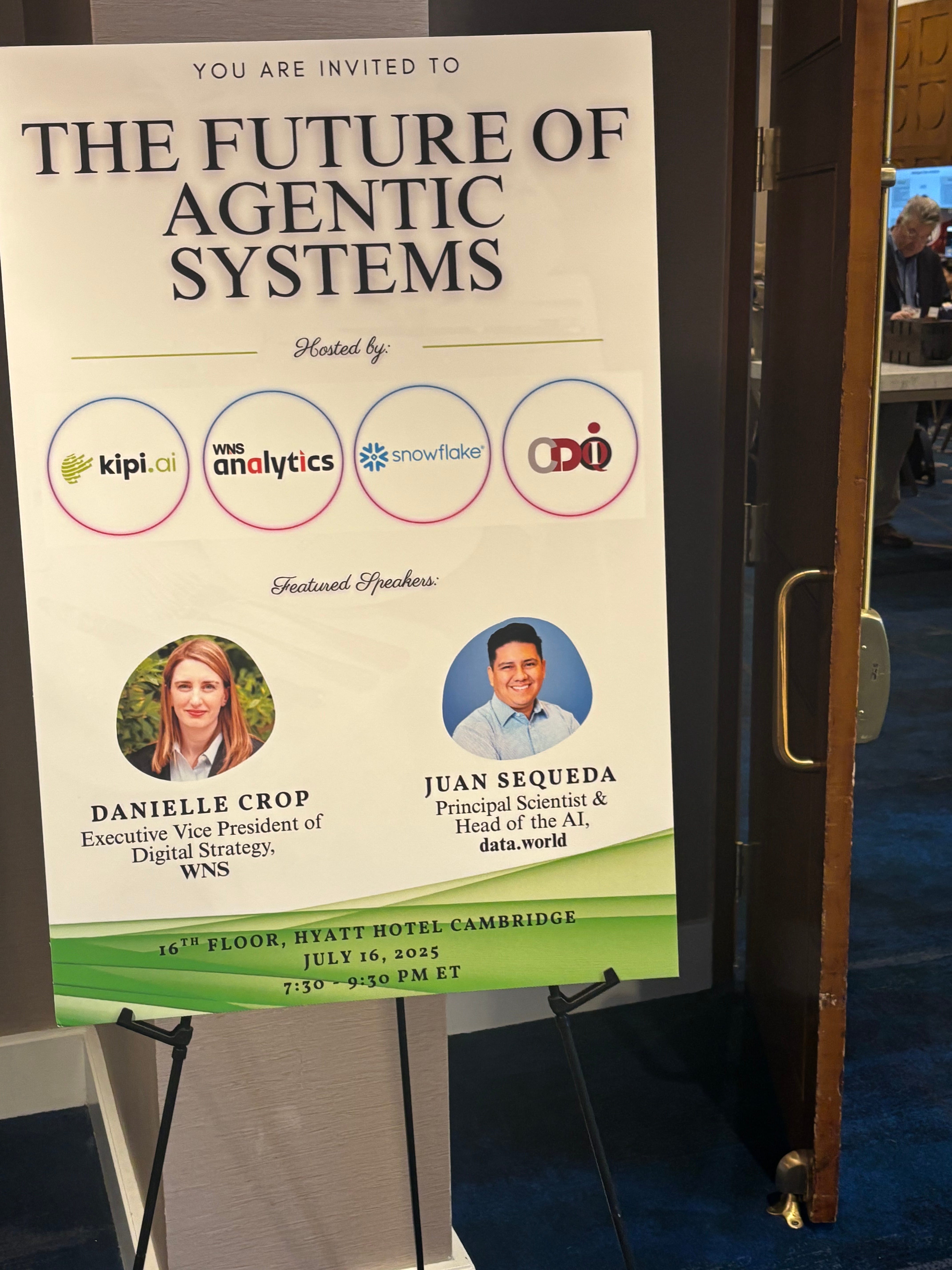
Attend a session led by Deloitte AI & Data leaders
Reconnect with Nii, a respected colleague in the AI & Data space
Introduce myself to leaders I’ve followed from afar
Capture the moment with a few photos (because you have to document divine timing!)
It’s not every day that your leadership development program and your firm’s thought leadership collide in the same zip code. This was more than networking—it was alignment in action.
The Morning Study Group: Medical AI Conversations
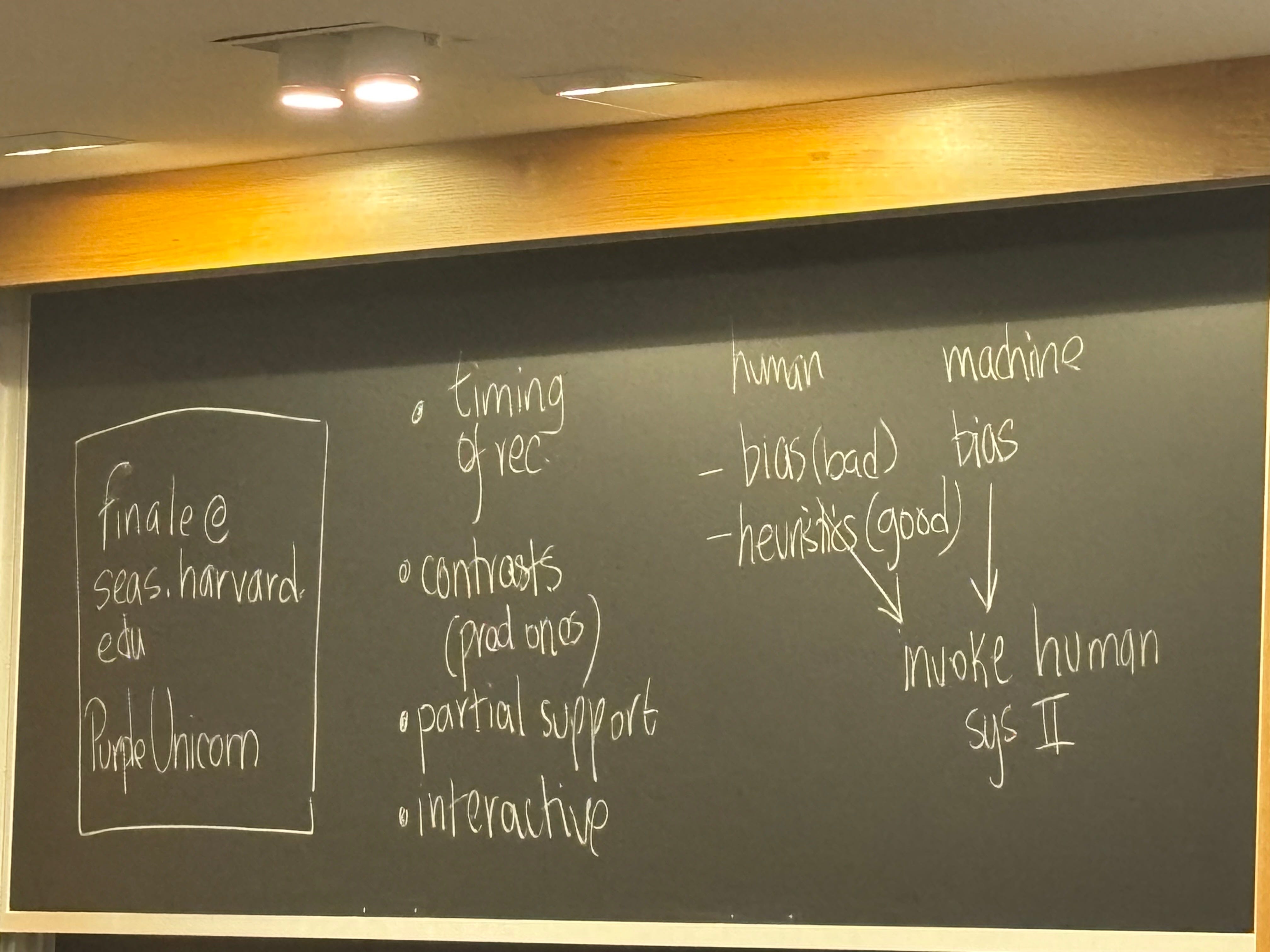
Before the MIT detour, I spent the morning in study sessions with my fellow HKS attendees. We focused heavily on the role of AI in medicine, diving into questions of ethics, accuracy, and application.
One key takeaway:
AI plays a significant role in augmenting healthcare—but it must be implemented with intention, not ambition.
Not every problem needs AI. And not every AI system belongs in high-stakes environments like clinical care—unless the problem is well-defined, and the technology is ready.
Today’s Academic Highlights
The coursework today was packed with powerful themes:
🔹
Machine Bias – ProPublica Case Review
We examined the COMPAS algorithm, used in criminal sentencing. Its biases—especially against Black defendants—sparked sobering reflection on the real-world cost of flawed AI.
The algorithm was barely more accurate than a coin flip
It was twice as likely to falsely flag Black defendants as high risk
Its opaque methodology challenges due process and transparency
A reminder: data is not neutral, and algorithms must be held accountable.
🔹
Human+AI Systems – Finale Doshi
Finale explored the challenges of human-AI collaboration, especially in healthcare. AI can catch patterns, yes—but human oversight is essential to prevent over-reliance, errors, and ethical blind spots.
Key insight:
We must design AI systems with human cognitive states in mind, not just machine learning parameters.
🔹
Healthcare Case Study – Dan Levy
We reviewed an AI tool used to assist clinicians with inbox responses. While it improved response time and efficiency, it also introduced risks:
Impersonal care
Clinical errors (e.g., wrong antibiotic advice)
Erosion of patient trust
Innovation should never come at the cost of the human connection in care.
🔹
Risks of AI – Sharad Goel & Teddy Svoronos
We discussed the broader risks:
Misinformation
Labor displacement
Energy consumption
Loss of critical skills
AI isn’t just a tech issue—it’s a societal one. And with that comes responsibility.
🔹
AI Bot Design – Working Session
We built on previous chatbot exercises, focusing on real-world applications and risks:
How to align bots with user intent
How to avoid over-automation
How to protect user data
This reinforced my belief that AI must amplify, not replace, human agency.
Final Reflection: Harvard + MIT = Growth
Driving back from MIT to Harvard, I couldn’t help but feel grateful.
Grateful for the people I met, the conversations I had, and the vision that’s becoming clearer.
Today wasn’t just a day of learning—it was a reminder that when preparation meets providence, you get momentum.
More to come.