

By Busola “Bus” Obayomi
Posted July 13, 2025 – Cambridge, MA
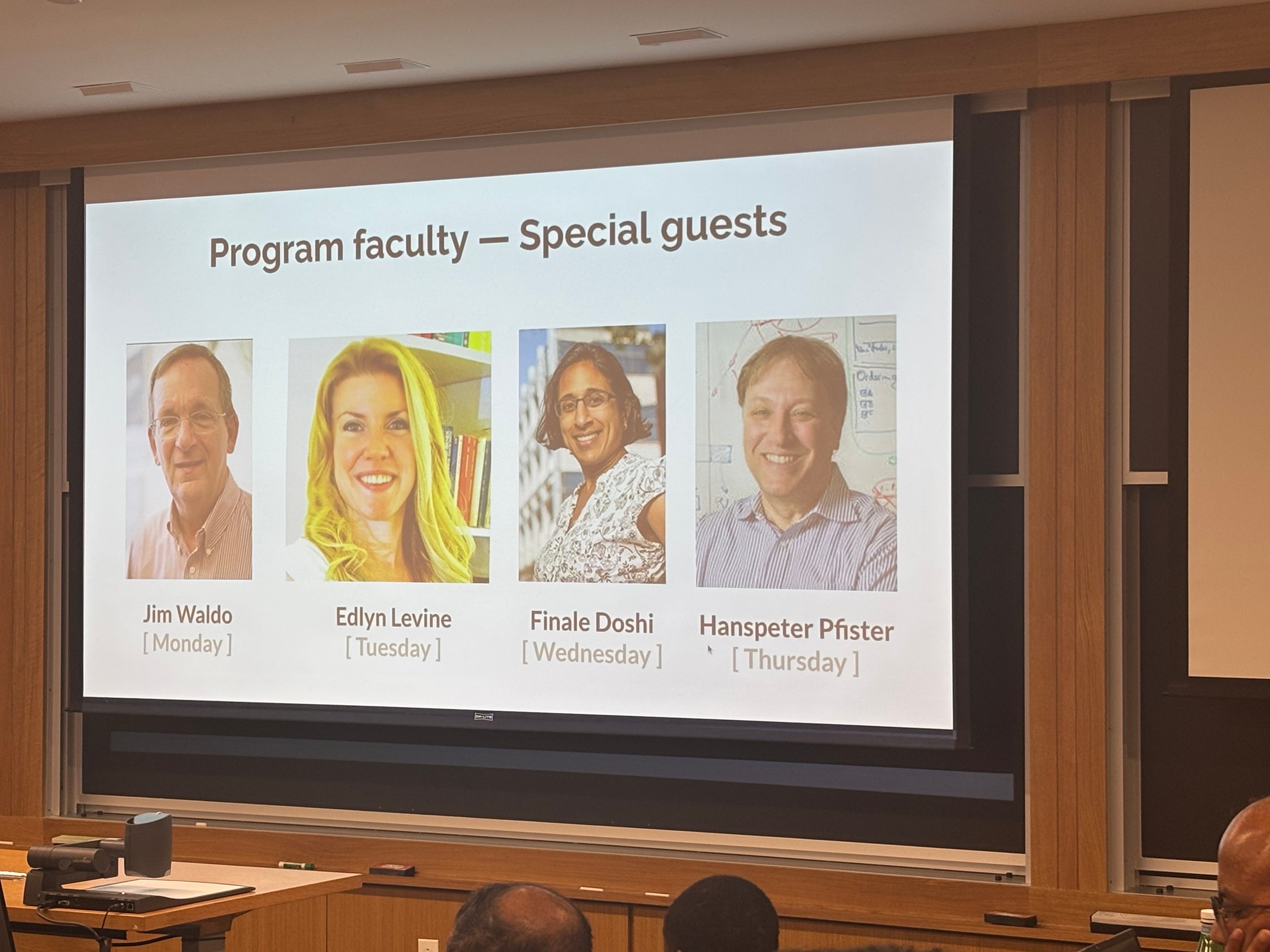
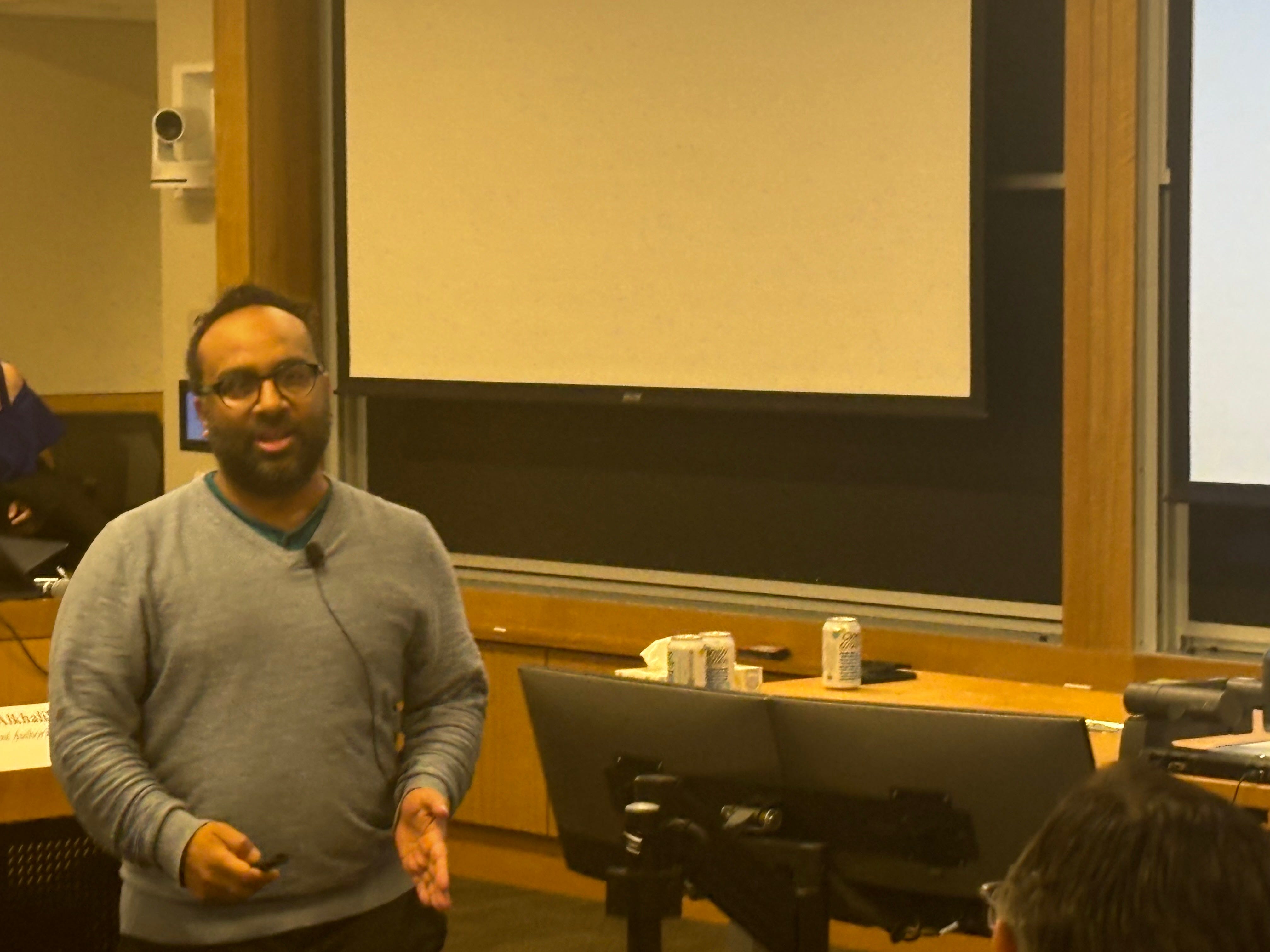
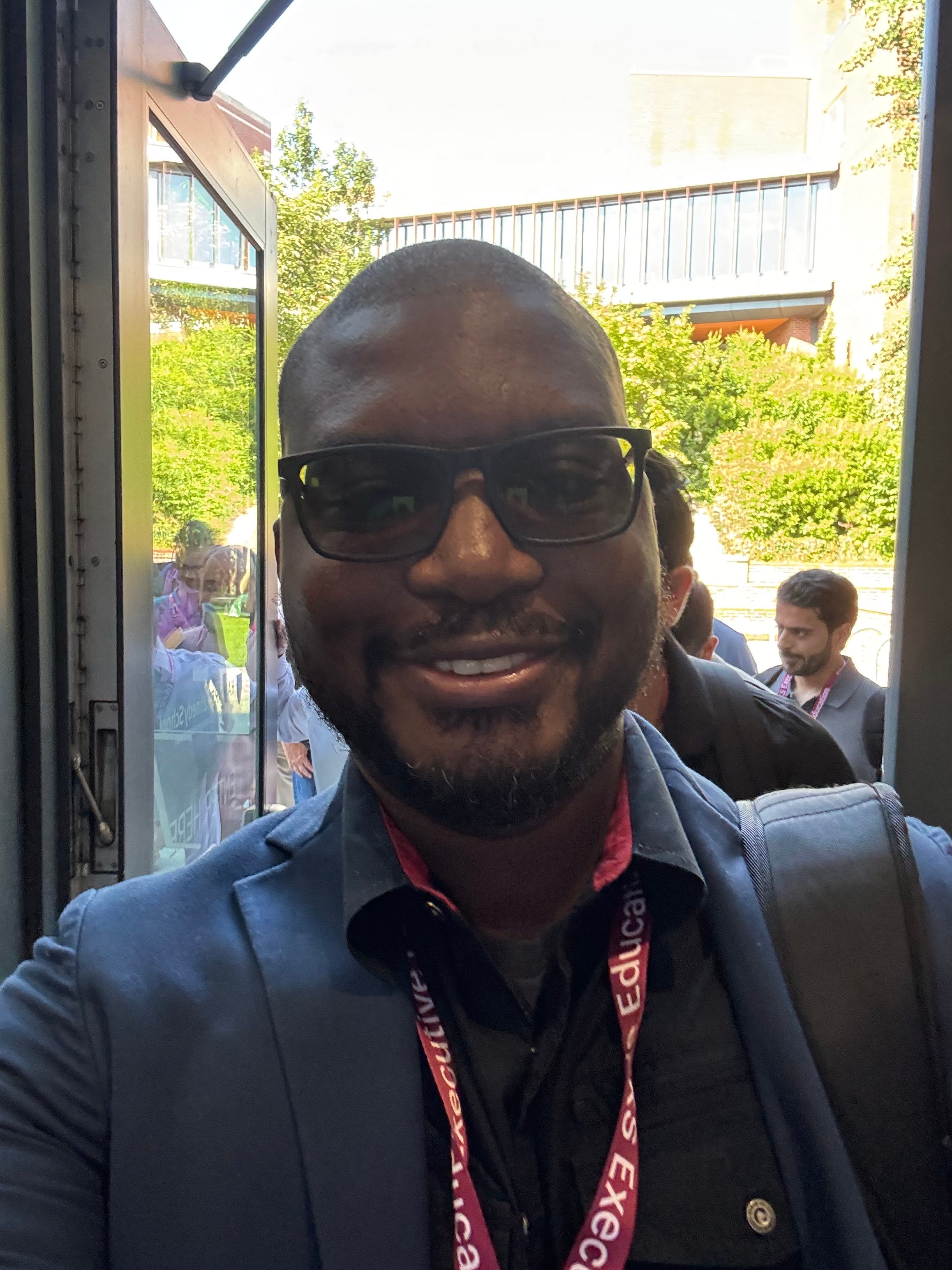
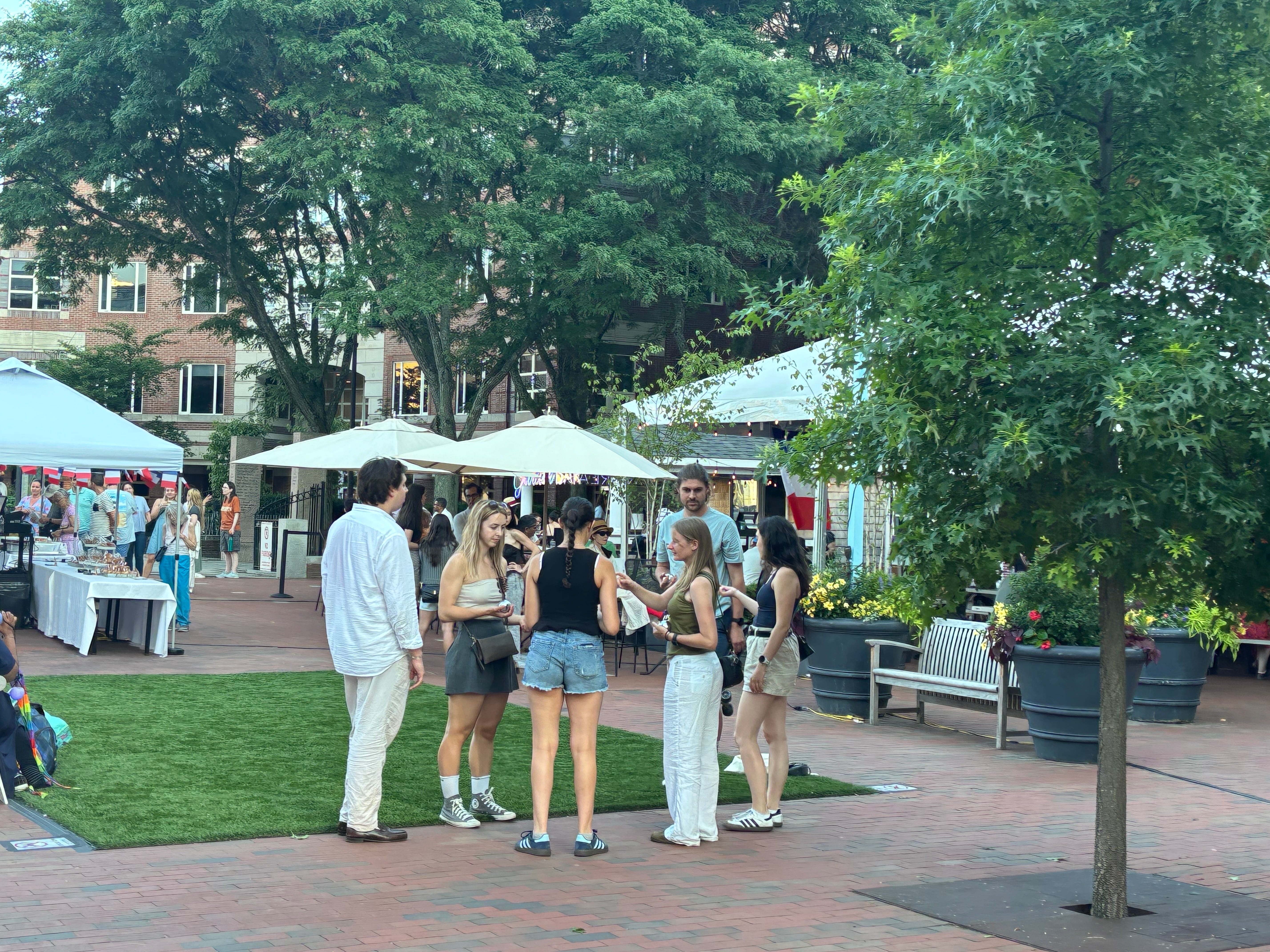
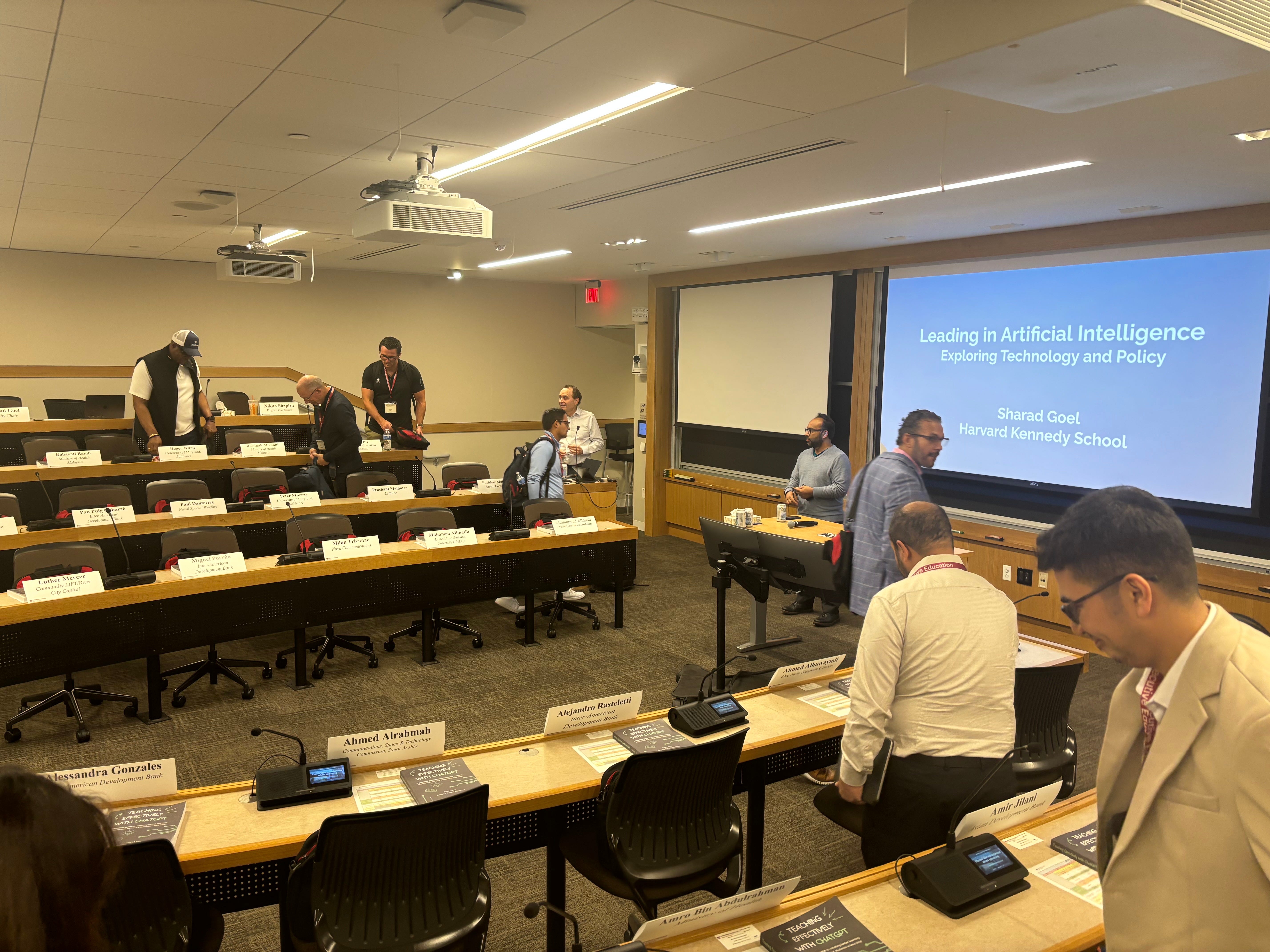
I arrived in Boston on Saturday, July 12, after what felt like an all-day journey. I left Arizona around 8:00 AM and didn’t check into my hotel until nearly 8:00 PM. Flying to the East Coast always stretches the day—between the time change, layovers, and the sheer distance. Still, I was grateful for the time to rest and reset before everything officially began.
Truth be told, I wasn’t entirely sure what to expect from the program. But I came ready to learn, reflect, and contribute.
Welcome to Harvard Kennedy School
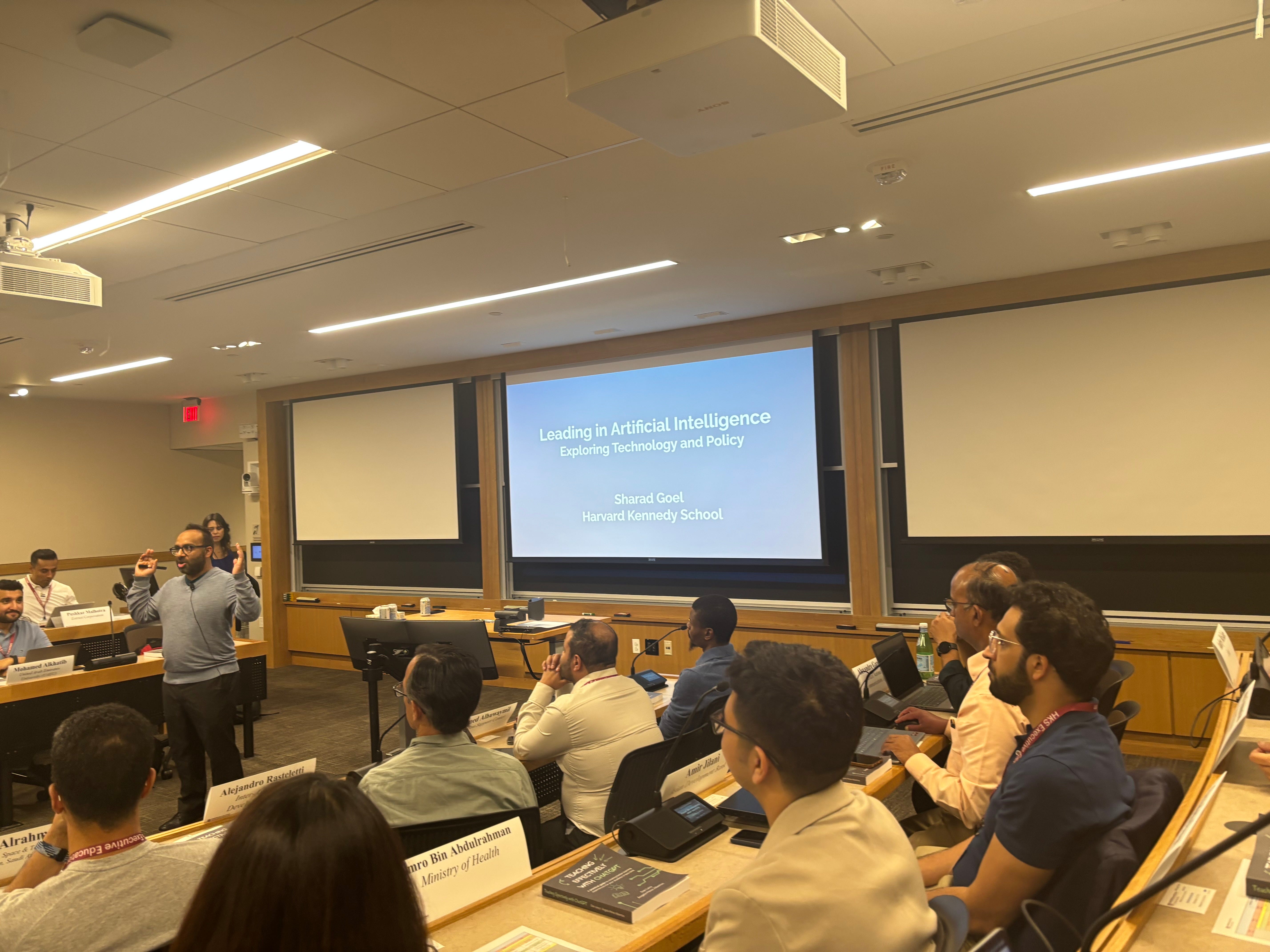
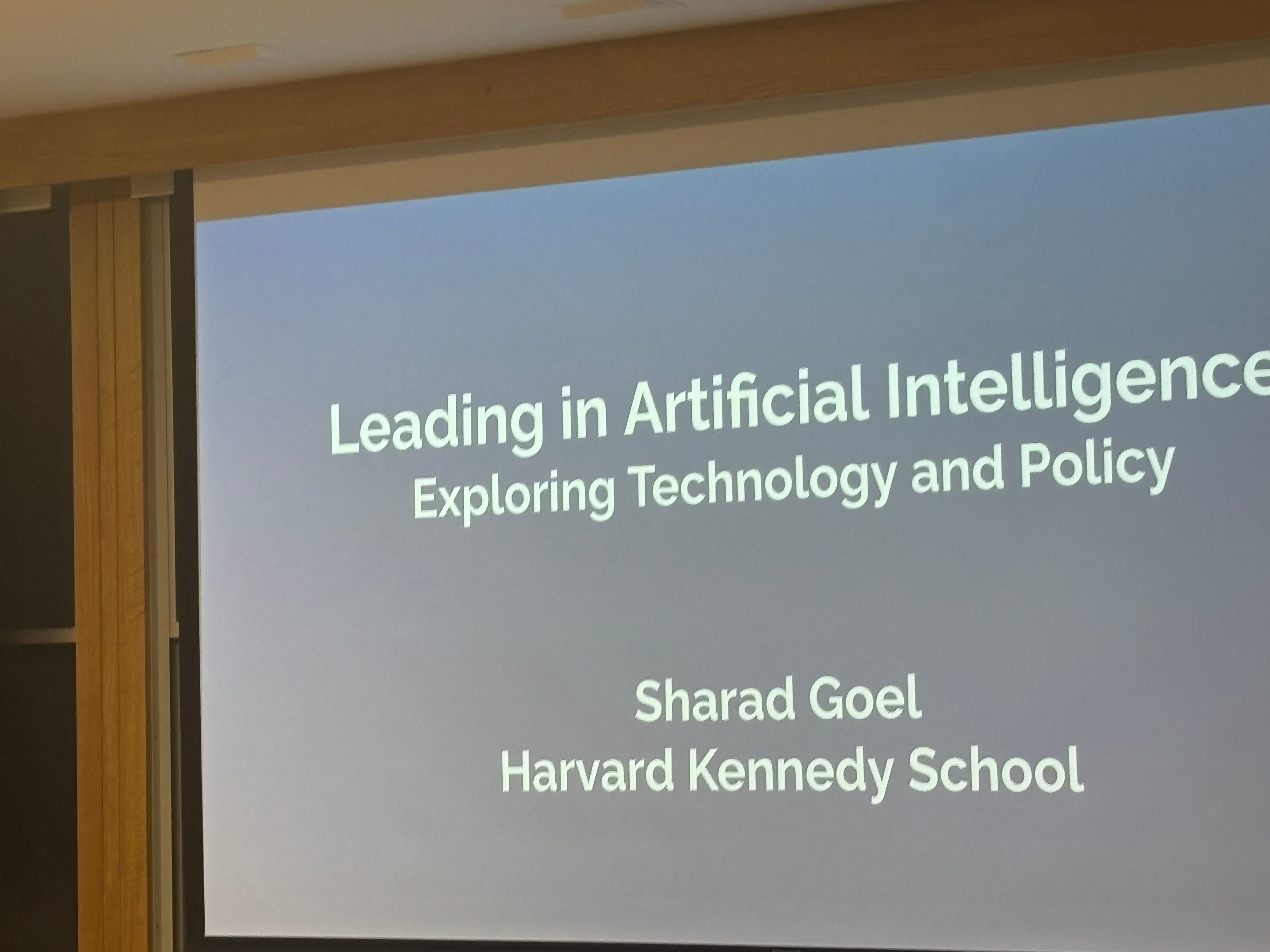
Sunday, July 13 marked Day One of the Leading in Artificial Intelligence program at Harvard Kennedy School. Around 3:15 PM, a few of us gathered in the hotel lobby, where program staff guided us to the campus.
The first session was mostly introductory. We took turns introducing ourselves in waves—three rows at a time—so we could begin to get a sense of the breadth of experience in the room.
We were welcomed by two incredible faculty members:
🔹 Sharad Goel, an expert in data science and public interest technology
🔹 Dan Levy, who’s been teaching at Harvard for 30 years and brought a thoughtful, human approach to the topic of AI
A Global Room with a Shared Mission
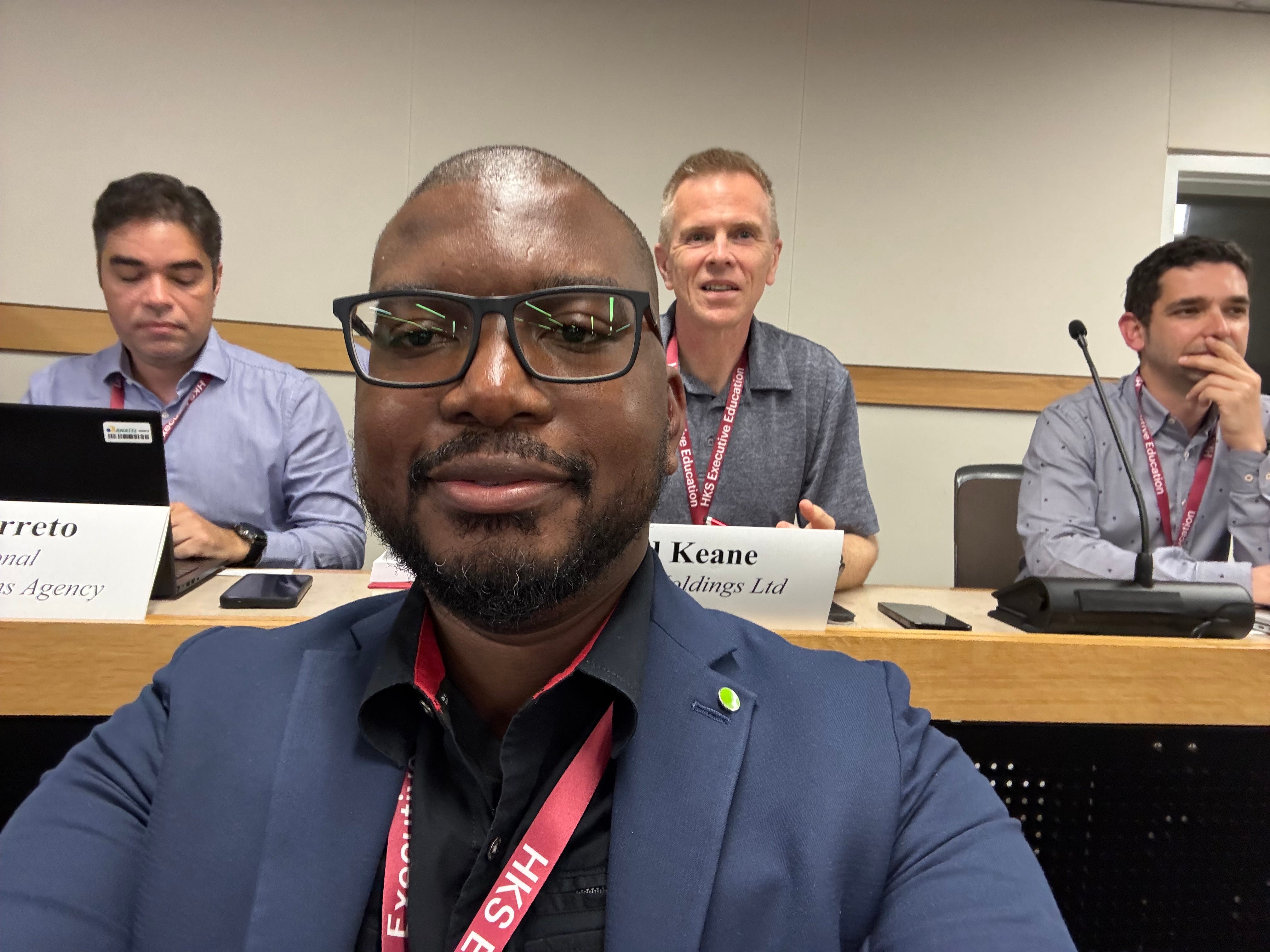
What truly blew me away was the international scope of our cohort. Within just a few conversations, I met:
The Chief Technology Officer of the Commonwealth of Massachusetts
A division leader from the Danish Ministry of the Interior and Health
A sector specialist from the Inter-American Development Bank in Peru
A Member of the European Parliament
The CIO of a major city in Texas
Delegates from the UAE, Brazil, the Philippines, and many others
It was like stepping into the crossroads of technology, governance, and global development—and I immediately felt at home.
As someone whose background bridges AI strategy, public policy, and international relations, this gathering resonated deeply. These aren’t just people interested in tech. They’re leaders who shape how AI will serve real people, real communities, and real nations.
What We’re Learning Already
Sharad opened the academic portion of our day by walking us through the differences between traditional AI models and modern large language models (LLMs). He explained how these tools are built on the backbone of predictive knowledge—training machines to guess the next word or action in a sequence based on enormous datasets.
Dan Levy reminded us that while these systems can appear intelligent, they are still driven by statistical prediction, not comprehension. And that leads to deeper questions:
Whose behavior are we aligning these models with? And how do we govern them responsibly?
Looking Ahead
This is my second or third time visiting Boston, but it already feels different. There’s an energy that comes from walking into Harvard’s halls—not just as a visitor, but as a participant in shaping the future of something as powerful as AI.
I’m excited to see what the rest of the week holds—both in content and in conversation. And I’m even more excited to carry these lessons back into my daily work: at the intersection of policy, technology, and purpose.
Thanks for following along.
More soon.
— Busola “Bus” Obayomi