

Today was different—in the best way.
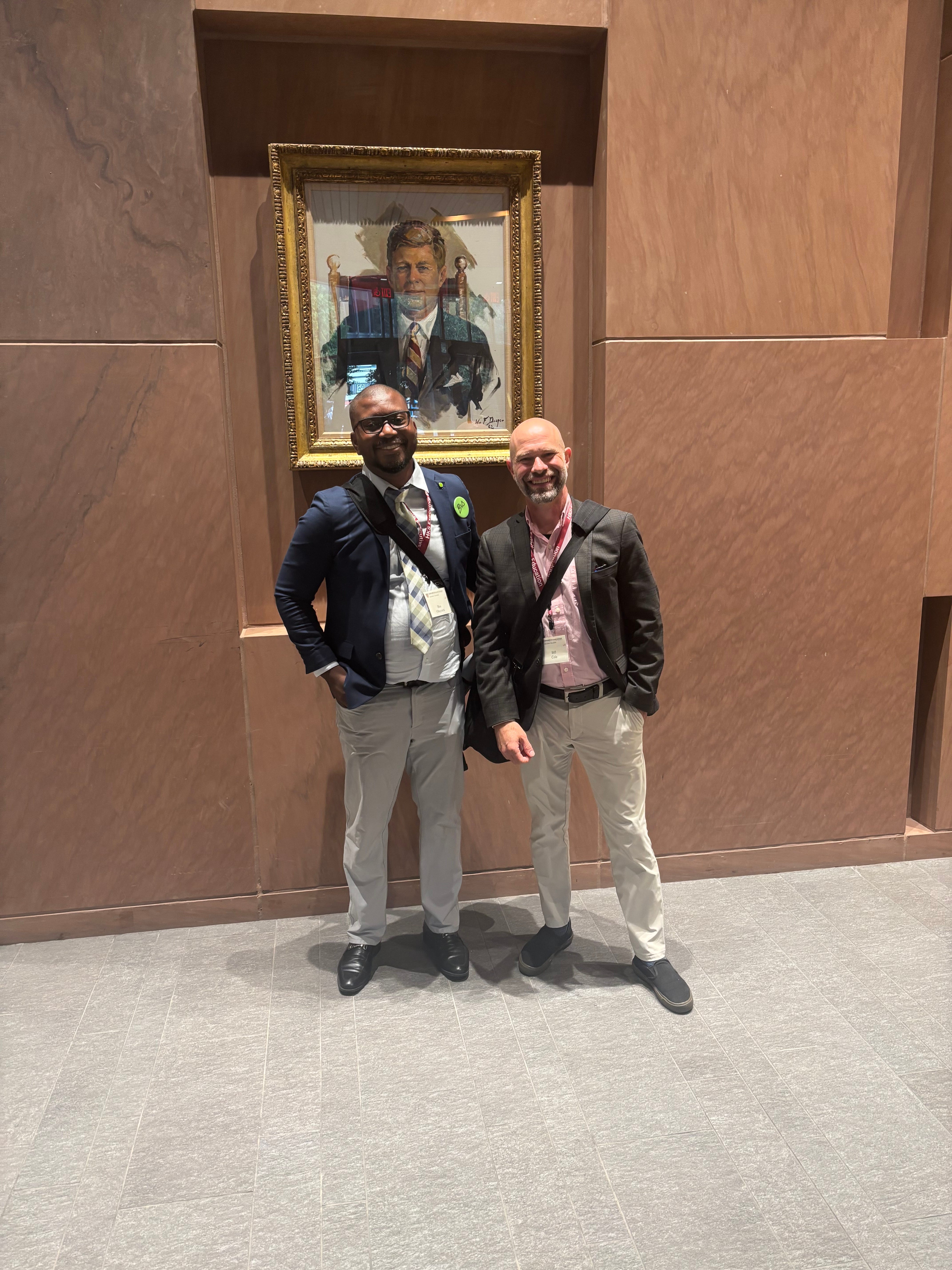
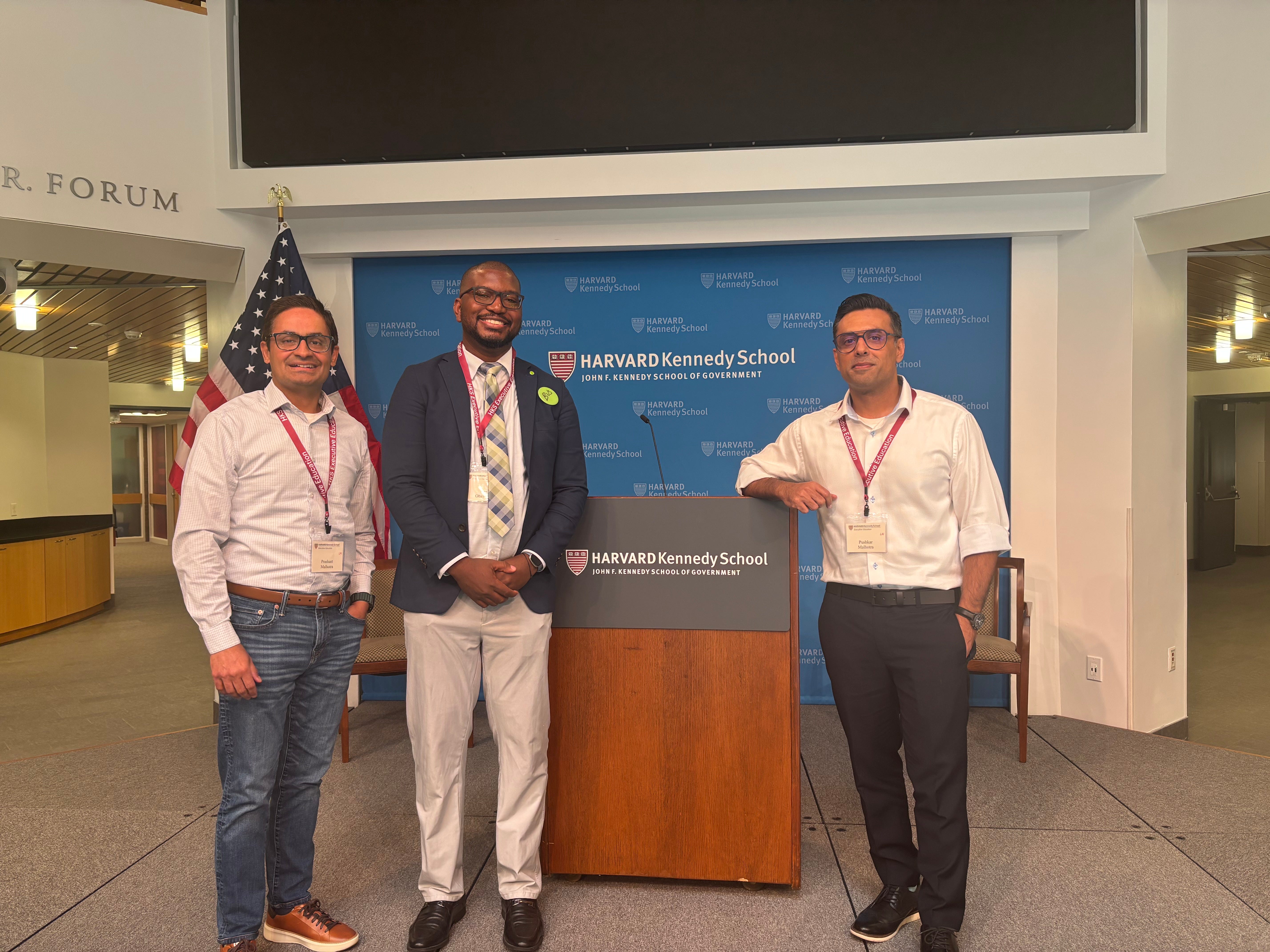
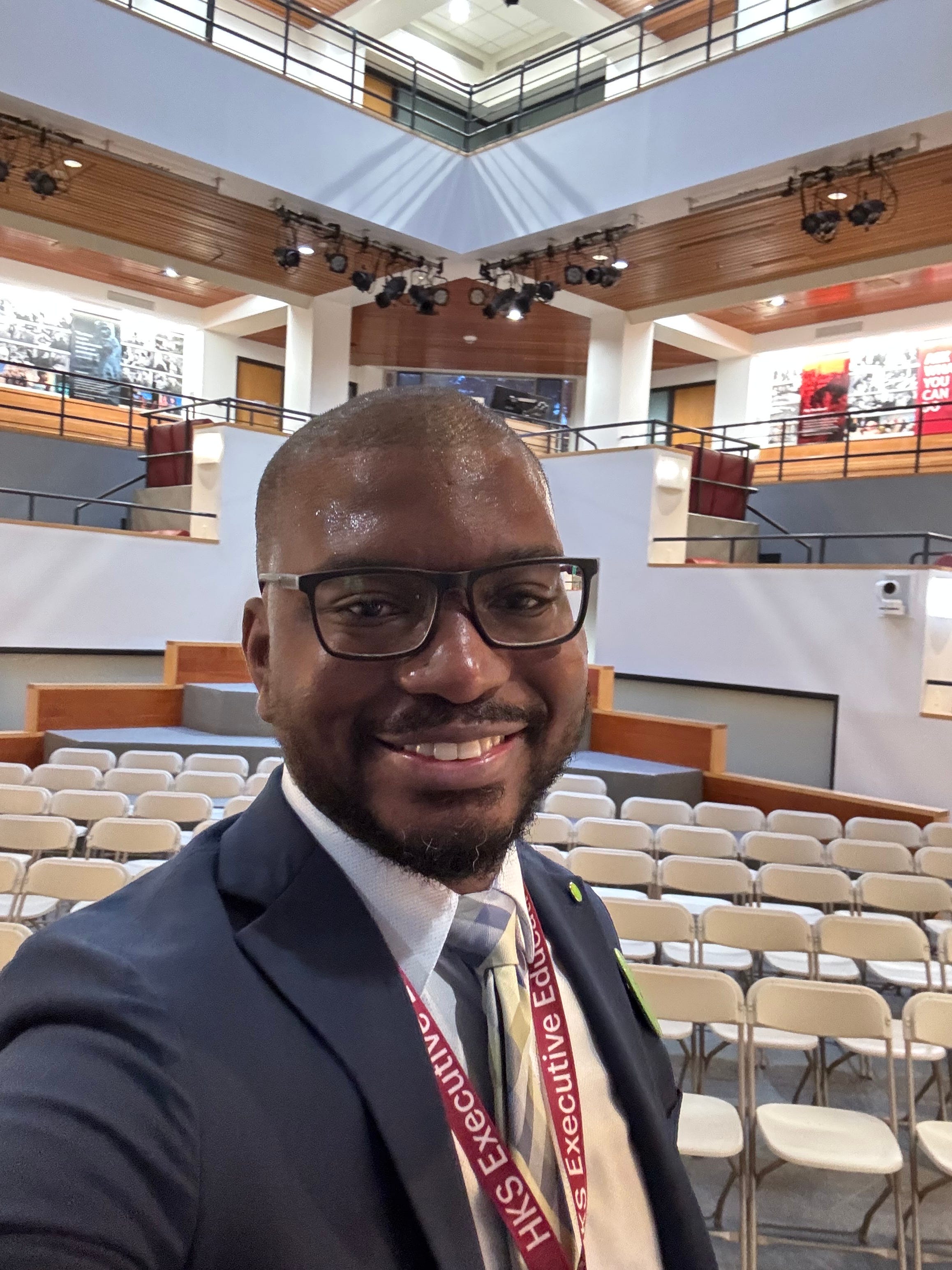
I arrived at Harvard around 5:30 AM, driving solo in a rental car. After taking the bus the first two days with the group, I wanted some early morning time to myself—to walk the halls of Harvard, catch up on readings, and reflect. It was still quiet on campus. The walk felt sacred. I took a few photos I’ll probably look back on years from now.
Creating My First AI Chatbot
One of the highlights of the day was building my very first AI chatbot using Ping Pong, a tool provided by Harvard for the program. The process was both intuitive and thought-provoking—it forced me to think about not just what I wanted the bot to say, but how to guide its behavior, tone, and output in service of a real-world problem.
Creating something from scratch gave me a renewed appreciation for both the power and limitations of AI. Tools like these will change how we work—but only if we stay engaged as humans-in-the-loop.
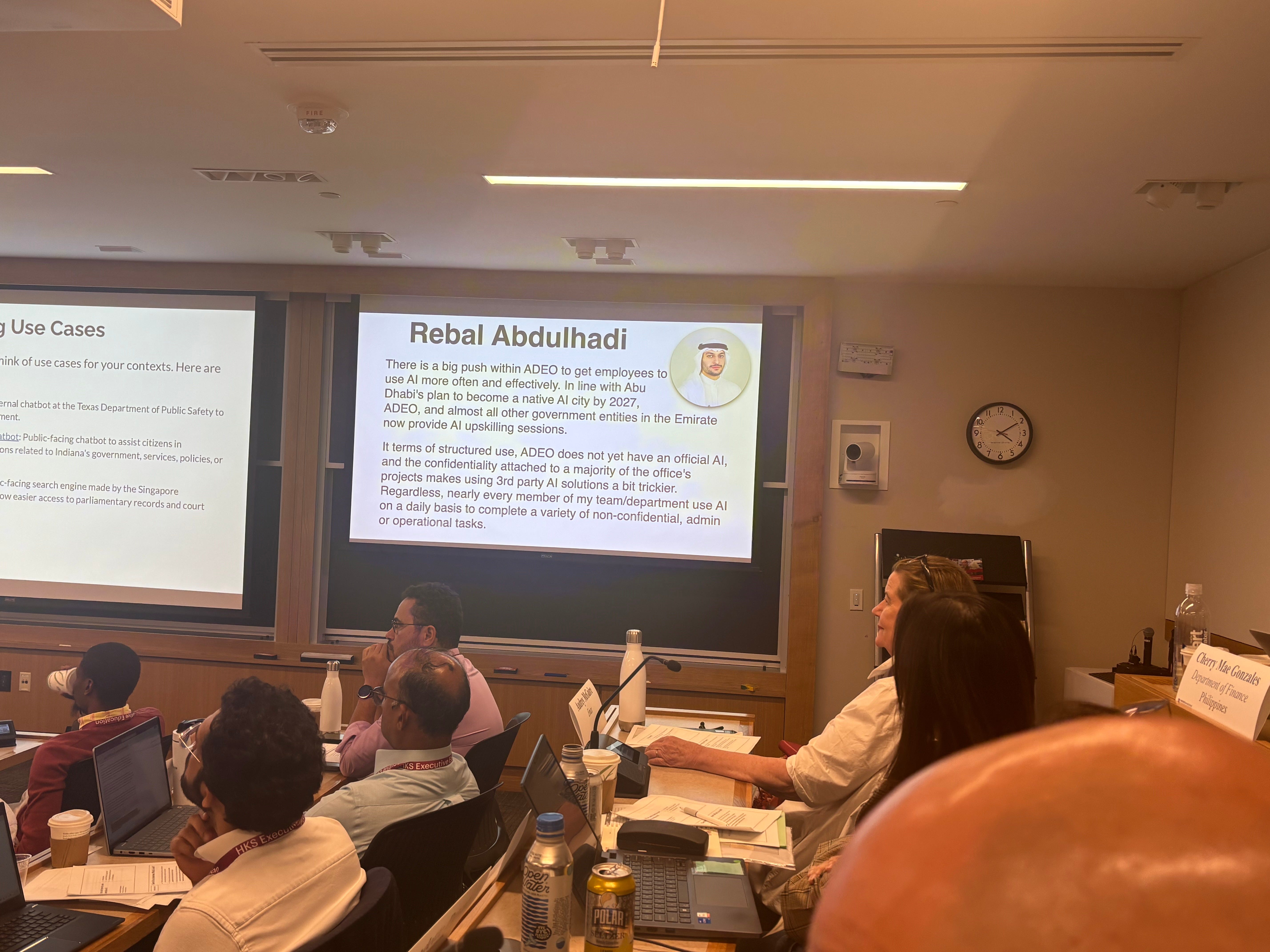
Today’s Sessions and Key Takeaways
We covered a lot of ground, including some of the most important questions in the AI landscape:
🔹
Generative AI in Education
Dan Levy explored how generative AI can transform classrooms—personalizing instruction, engaging students, and streamlining administration. But he also reminded us: AI can’t replace critical thinking. Educators still matter.
🔹
Science of GenAI
Sharad Goel walked us through the math and architecture behind large language models. He broke down why contextual embeddings and deep learning matter—and why prediction doesn’t equal understanding. Fascinating and humbling.
🔹
AI Alignment
Also with Sharad, we tackled the alignment problem—how to ensure AI acts in ways that reflect human values. We explored strategies like post-training, reinforcement learning, and even constitutional AI guided by principles like honesty and harmlessness.
🔹
Cargo Cult AI
Edlyn Levine gave one of the most memorable talks of the day. She warned of the dangers of “Cargo Cult AI”—where users blindly trust AI outputs without understanding the models or questioning the logic. Her call was clear: don’t outsource your thinking. Stay sharp. Stay curious.
🔹
Effective Prompting
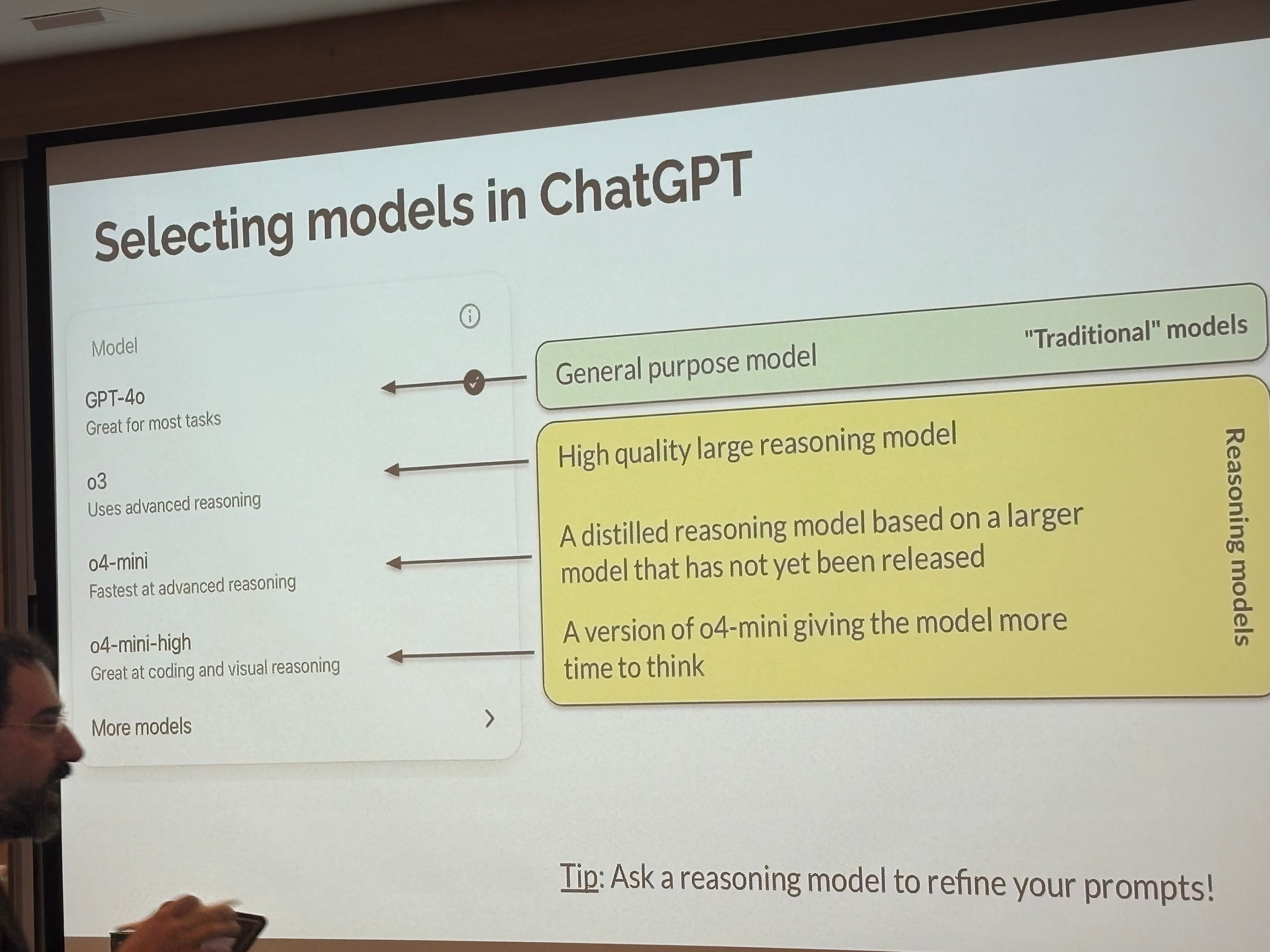
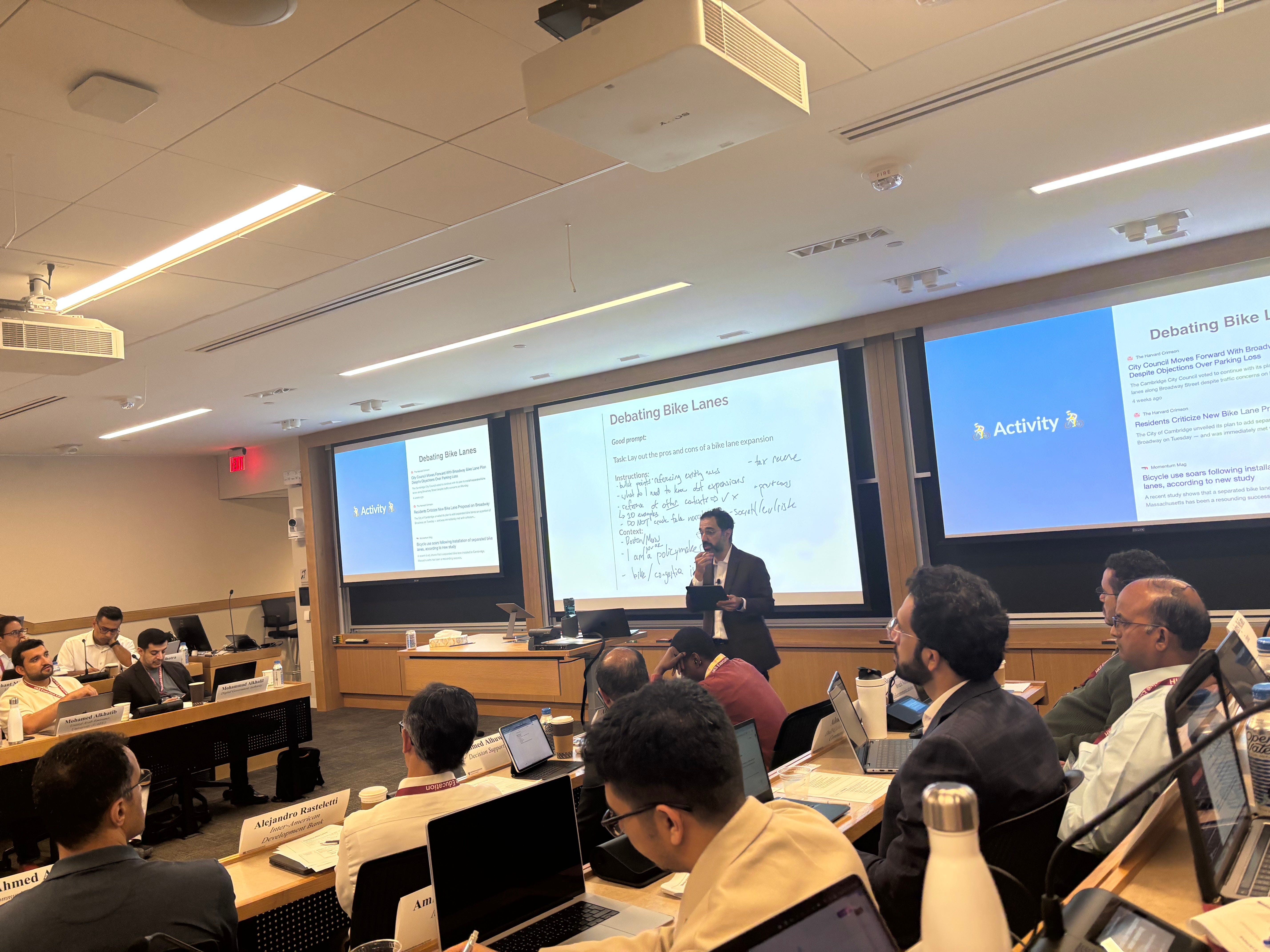
Teddy Svoronos led an engaging session on prompting—the art of giving AI the right instructions. From chain-of-thought prompting to real-time exercises, we learned how to break down complex questions and improve outputs through structure, clarity, and iteration.
🔹
Beyond Chatbots
Dan Levy returned to help us think beyond AI as just chat interfaces. We explored the concept of AI agents—goal-directed systems that act, plan, and reason. One exercise involved creating a custom AI for a hospital system—a practical, real-world application that helped ground the theory.
🔹
When and How to Use AI Tools
Teddy wrapped up the day with a strategic lens on AI adoption. He reminded us that not every problem needs AI, and we must be thoughtful about where it adds value. Privacy, security, and proper evaluation must remain part of the conversation.
g
Driving Back and Looking Ahead
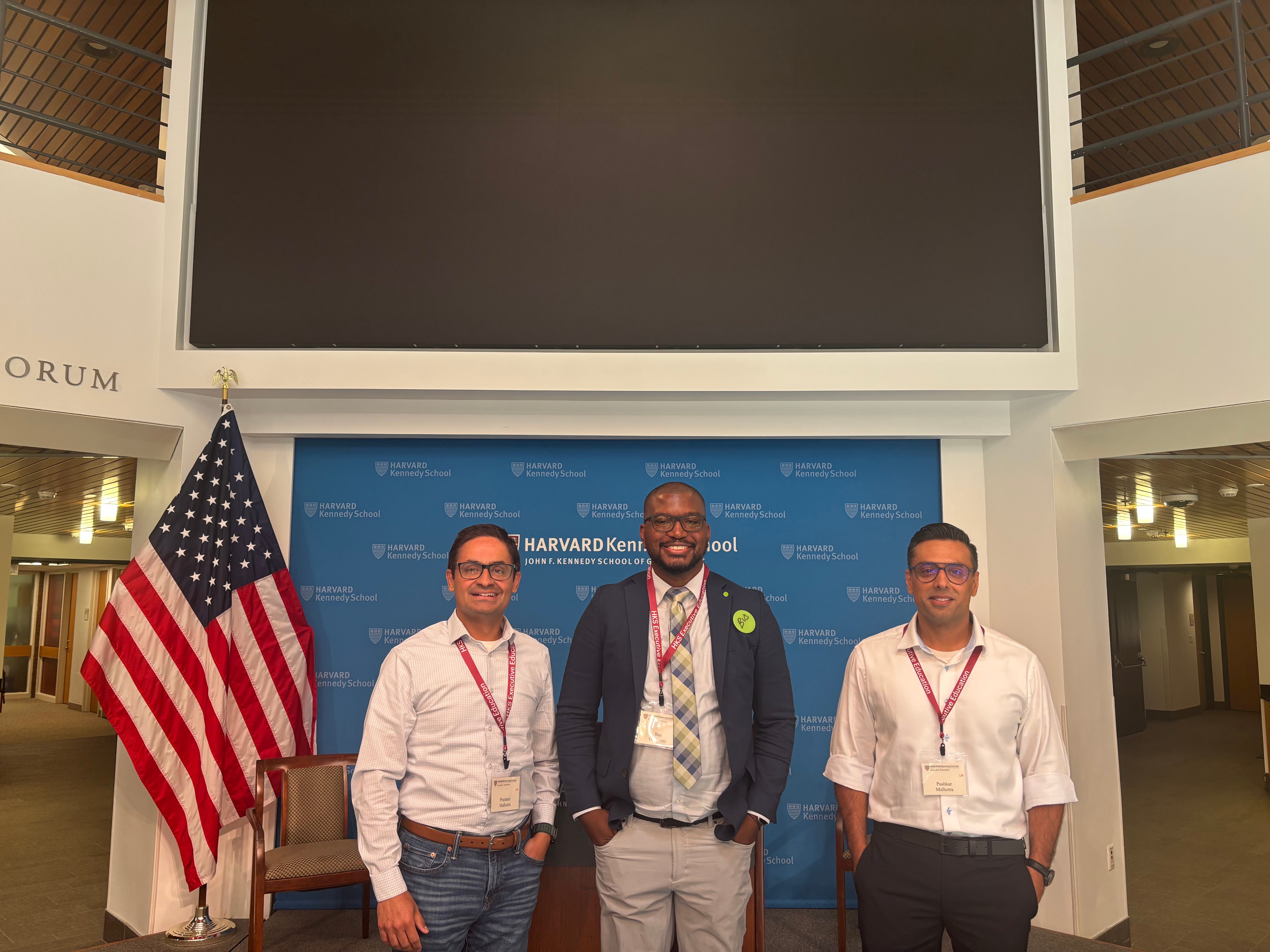
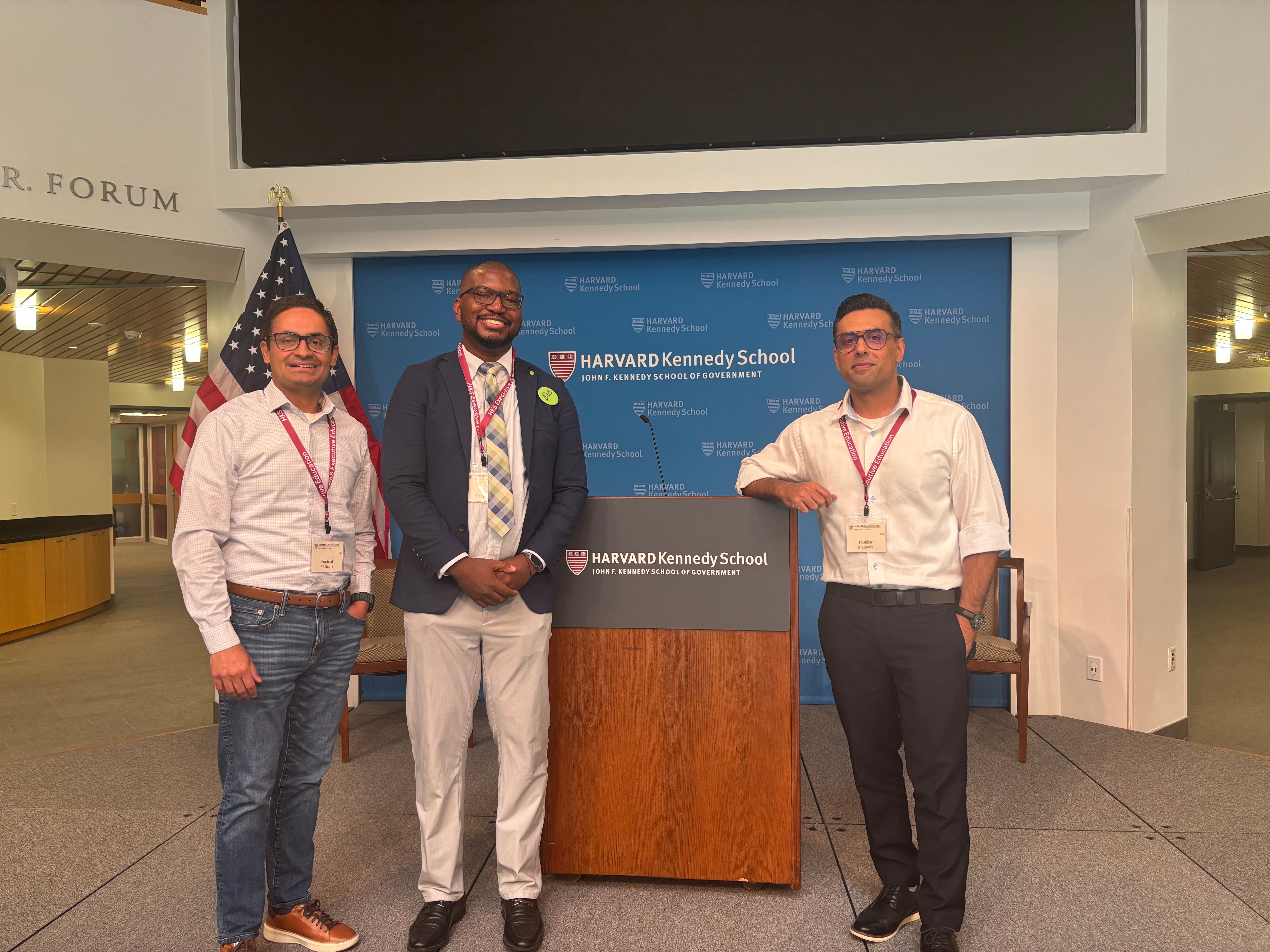
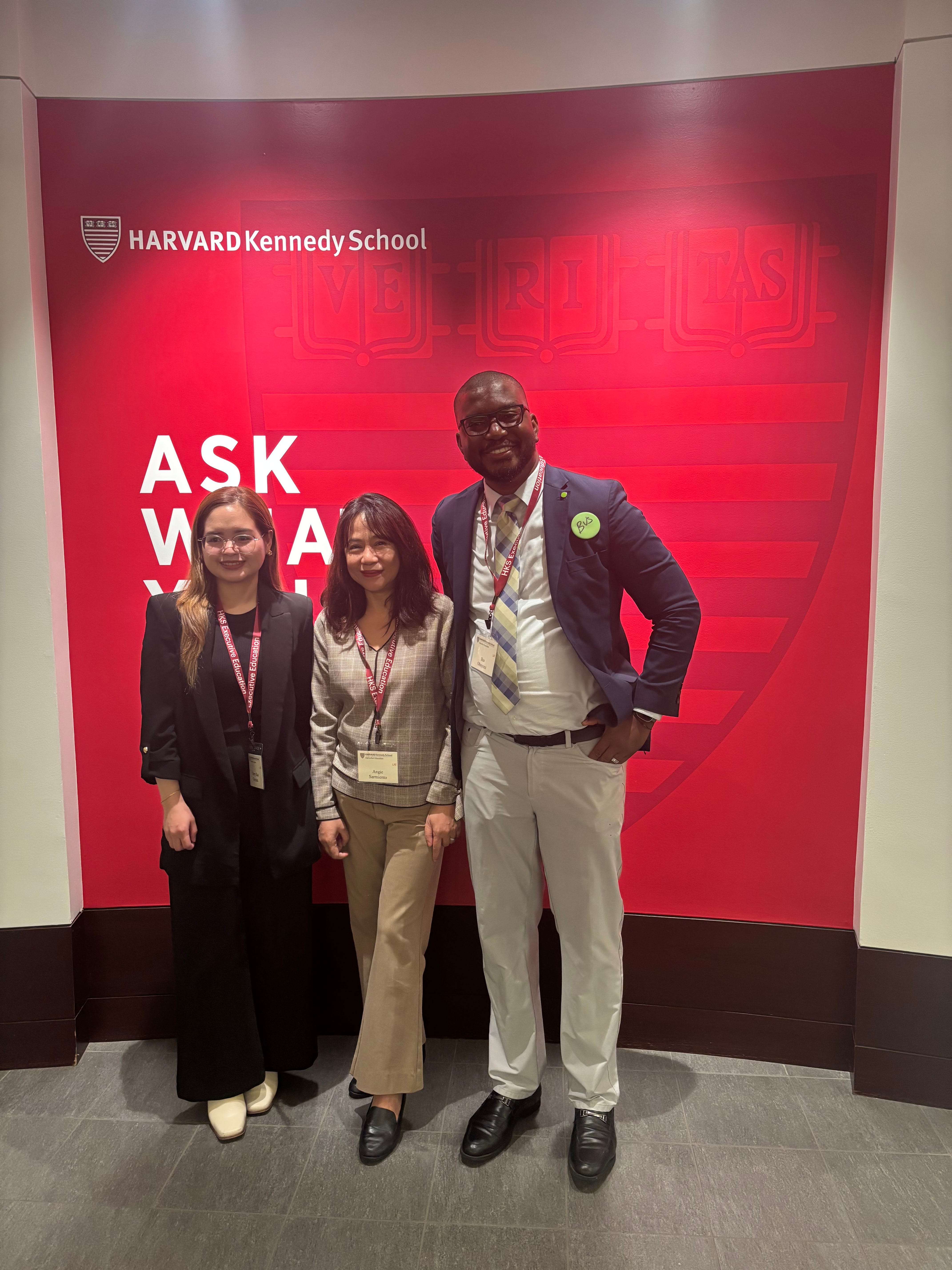
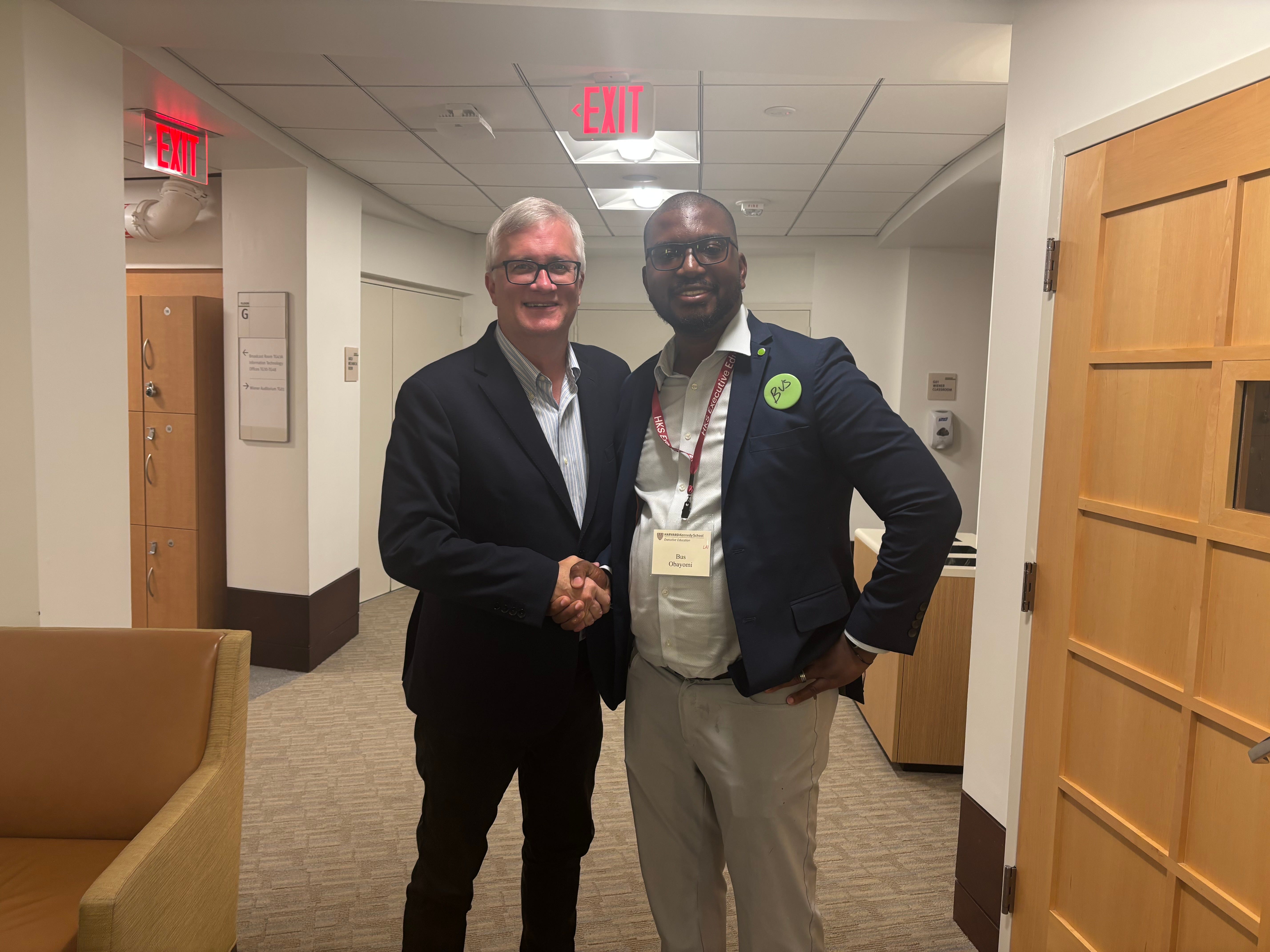
I left campus around 5:30 PM, reflecting on the conversations I had throughout the day—especially another meaningful exchange with the CTO of Massachusetts.
As always, I’m asking:
What can I take back?
To my firm. To my community. To those who sponsored me to be here.
Today’s answer:
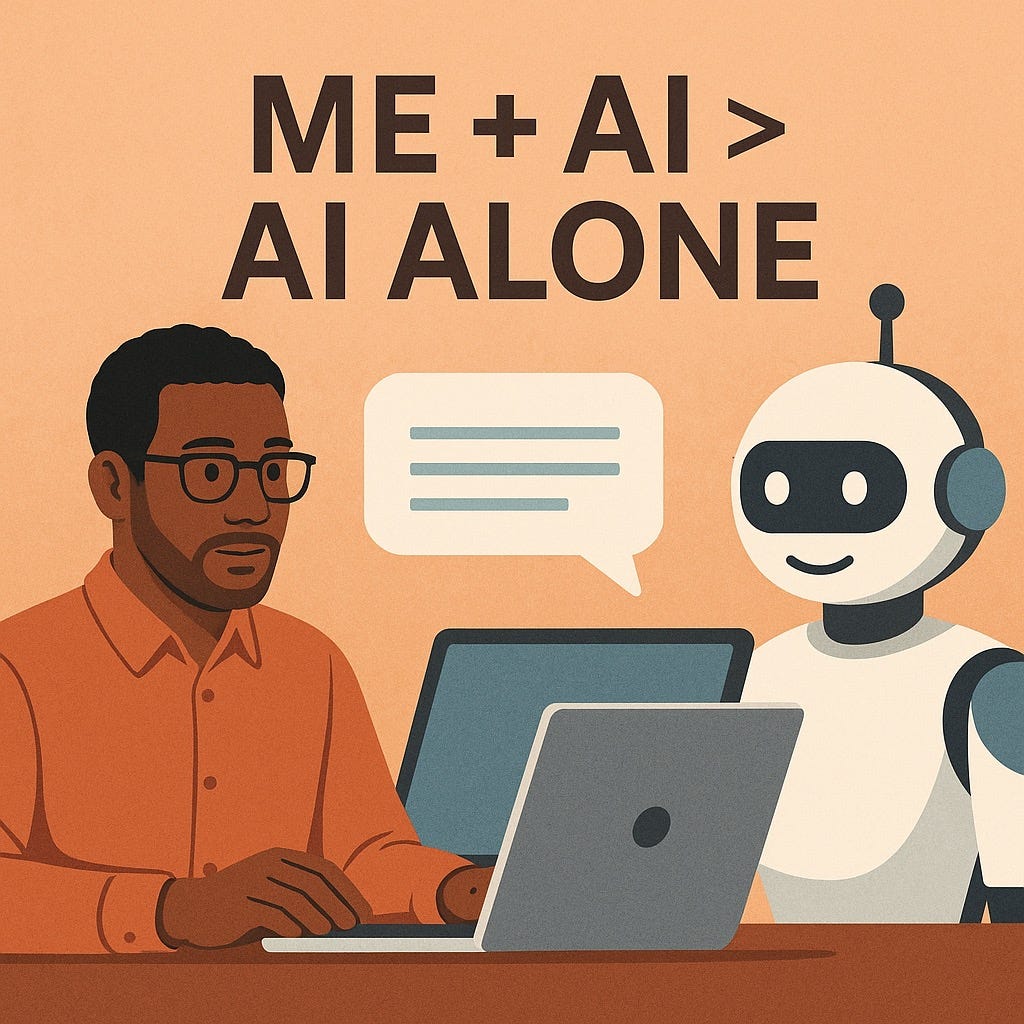
Me + AI is greater than AI alone.
We are not replaced by AI. We are enhanced by it—if we stay awake.
That means verifying what I prompt. Thinking for myself. And never handing over my agency for the sake of speed.
More tomorrow. But for now, I’m grateful. This journey is stretching me—and I wouldn’t have it any other way.
— Busola “Bus” Obayomi