
Day Three at Harvard — Leadership in the Age of Information Warfare

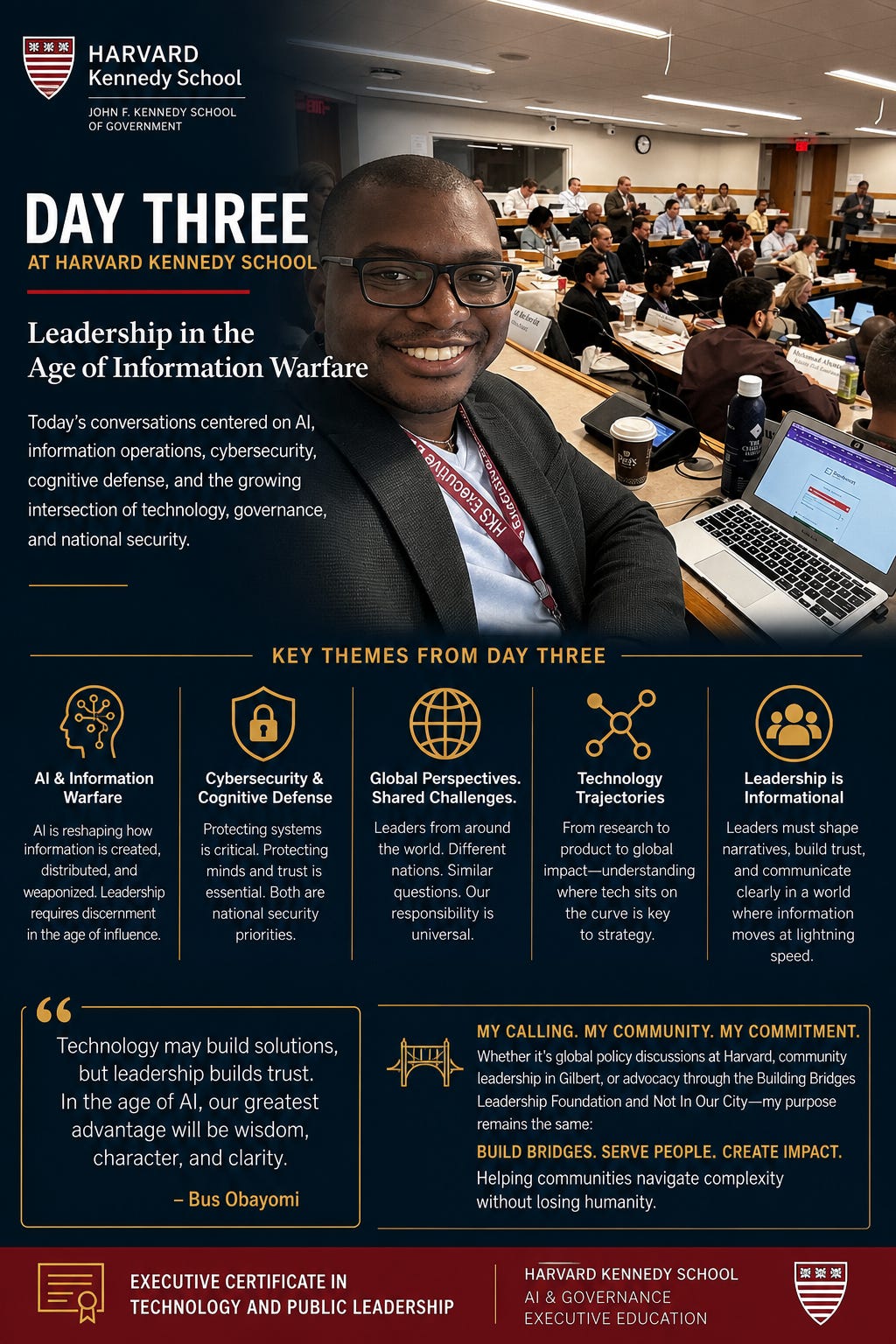
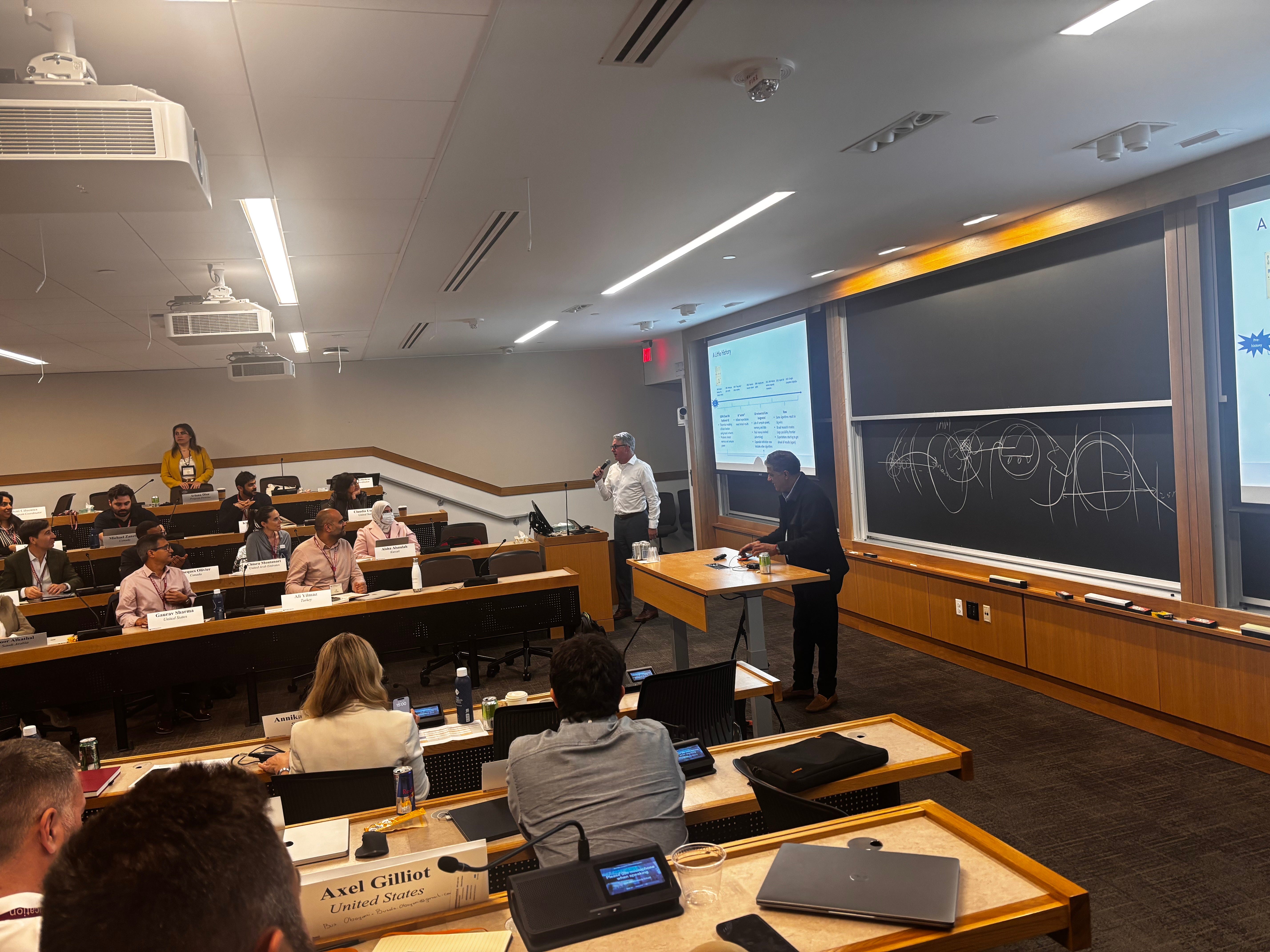
Day three at Harvard Kennedy School was one of the most thought-provoking days of the entire executive program so far.
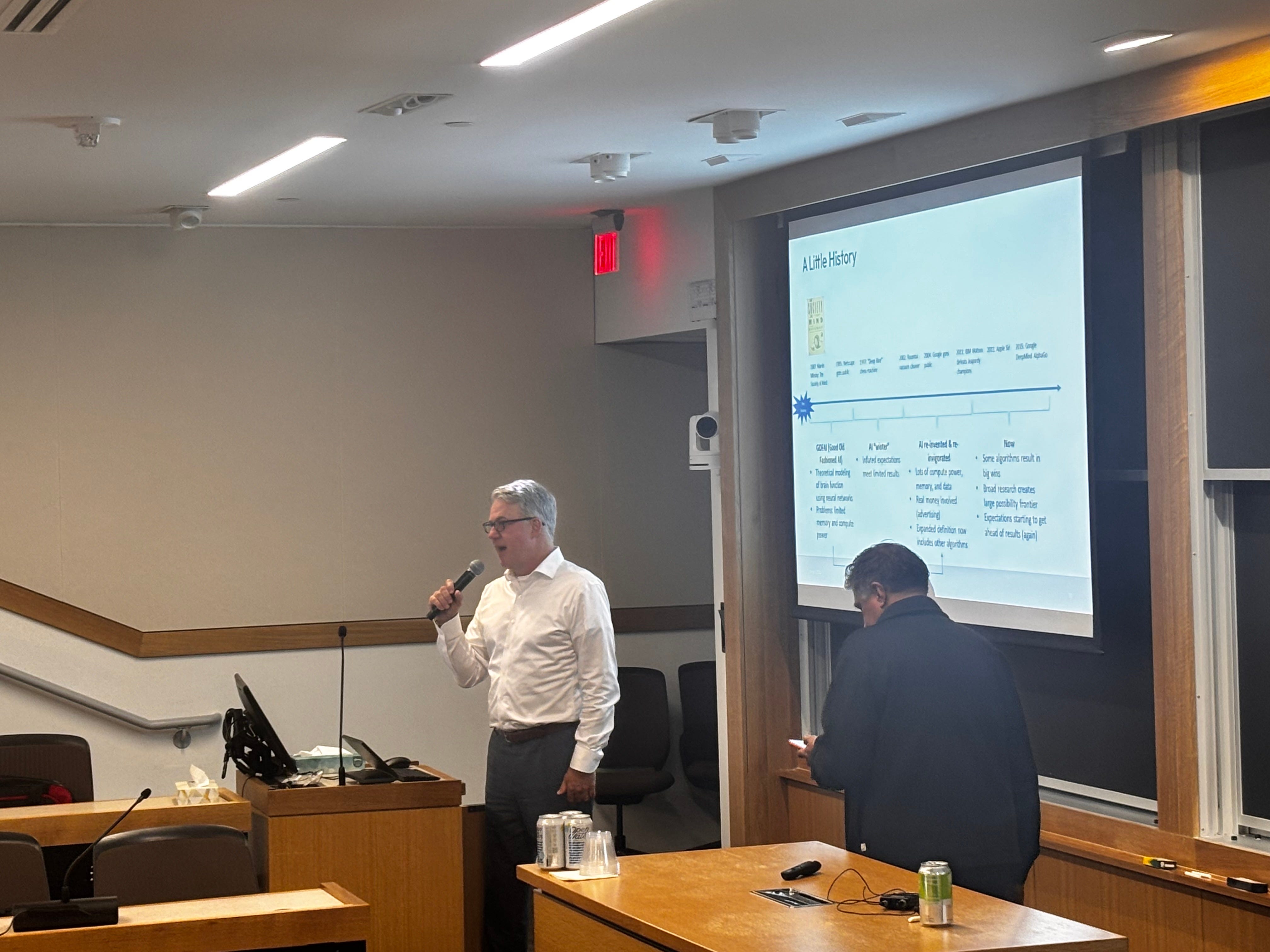
Today’s conversations centered heavily around AI, information operations, emerging technology strategy, cybersecurity, influence campaigns, and the growing intersection between technology, governance, and national security.
One thing became very clear:
The future will not simply be shaped by whoever has the best technology.
It will be shaped by whoever understands how technology influences people, trust, institutions, and decision-making.
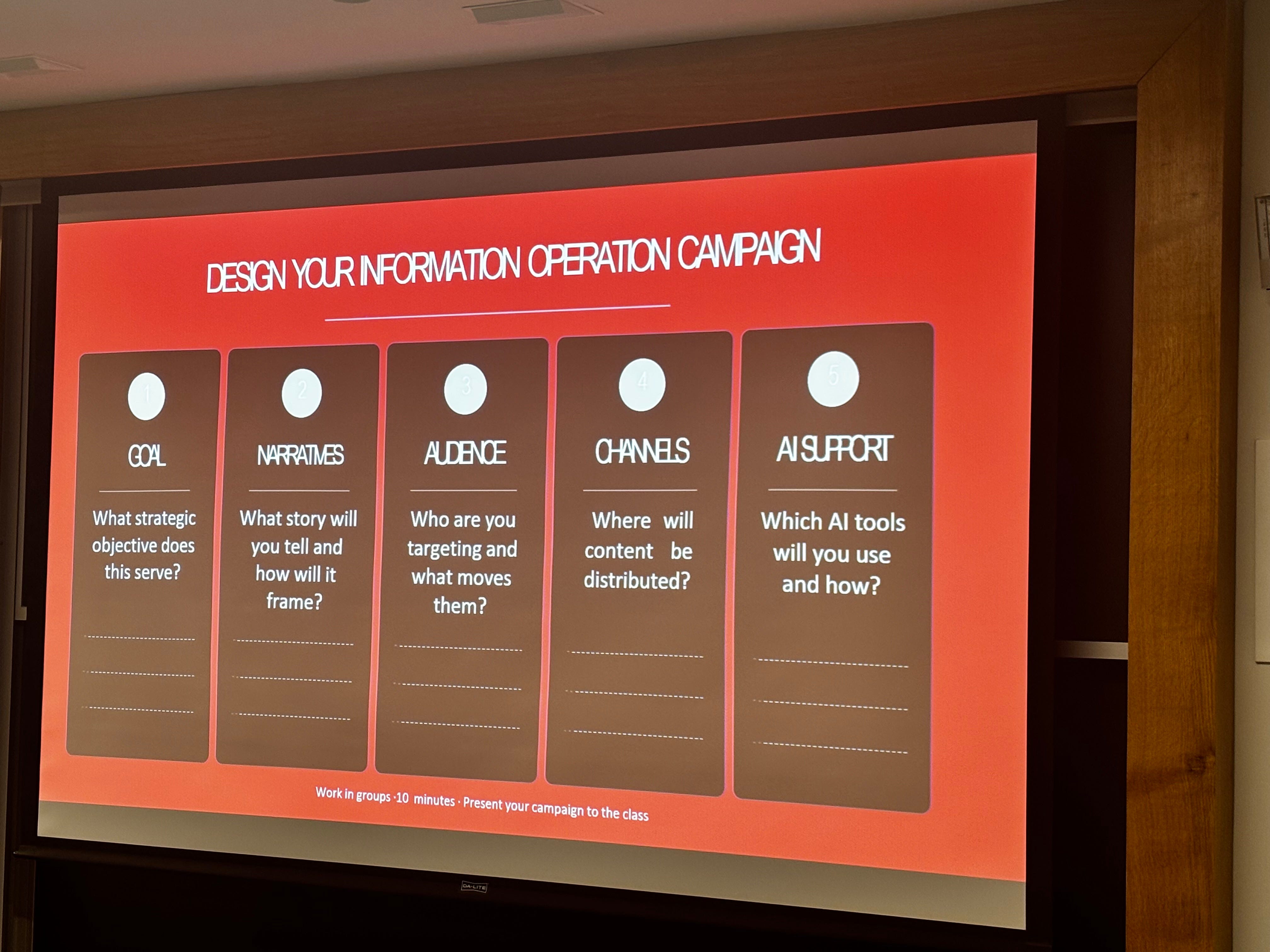
We spent time discussing how AI is changing the landscape of information warfare, digital influence, cognitive defense, cybersecurity, and strategic communication. One of the exercises challenged us to design an information operations campaign — not just from a technology perspective, but from a leadership, narrative, and human behavior perspective.
That stuck with me.
Because leadership in this era is no longer just operational.
It is informational.
Leaders now have to think about:
How narratives shape public trust
How misinformation spreads
How AI amplifies influence
How institutions maintain credibility
And how communities stay grounded in truth during rapid technological change
What made today especially impactful was being in a classroom filled with leaders from around the world — from government, military, healthcare, technology, cybersecurity, venture capital, and public policy sectors.
Different nations.
Different industries.
Different perspectives.
Yet many of the concerns were surprisingly similar:
How do we innovate responsibly?
How do we protect people while advancing technology?
How do we preserve trust in institutions?
How do we lead ethically in an AI-driven world?
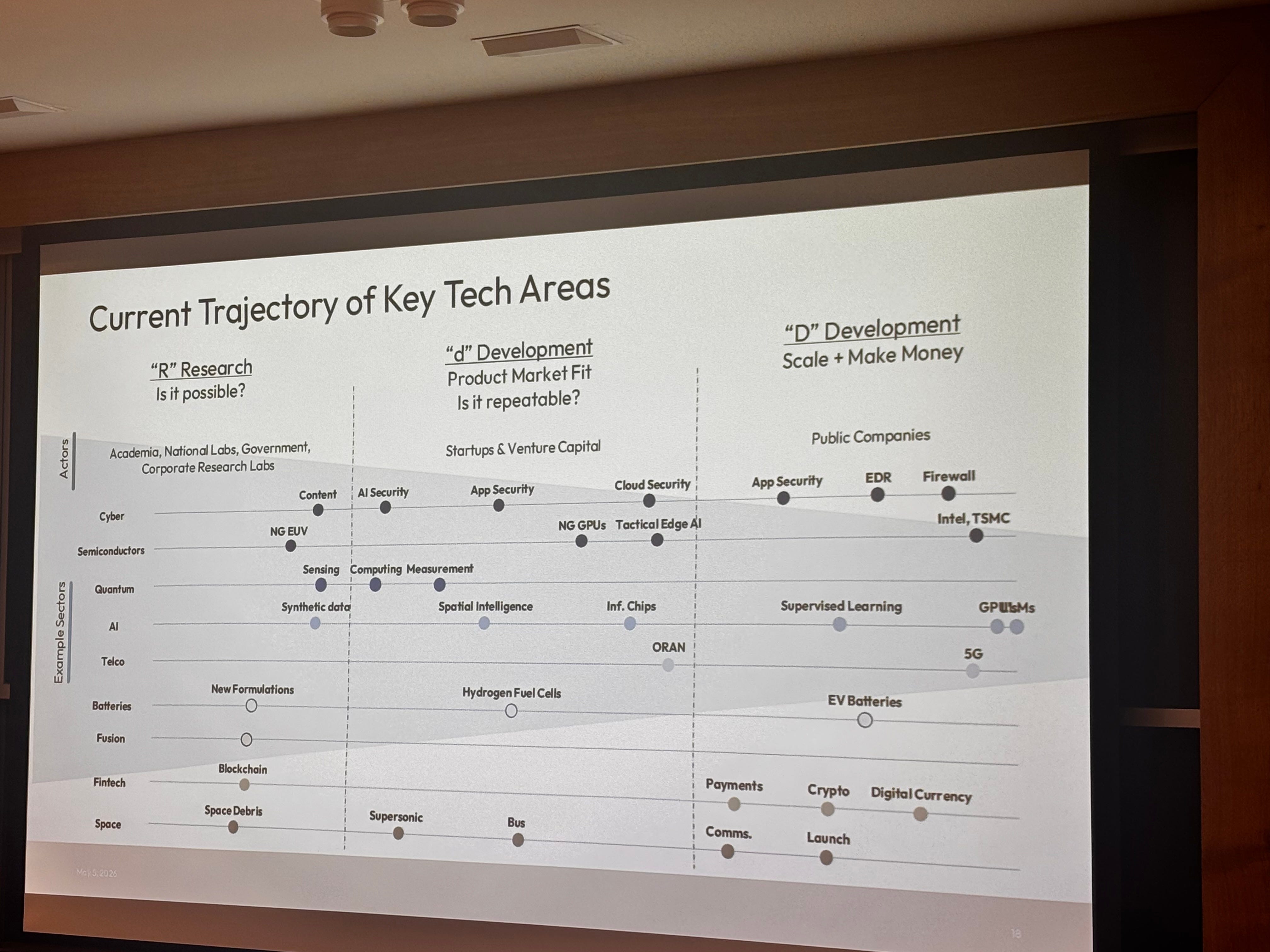
Another major theme today was understanding where emerging technologies sit on the trajectory from research… to product-market fit… to scaled global impact.
It reinforced something I’ve been thinking about throughout this program:
The leaders who will shape the future are not just technologists.
They are translators.
Bridge builders.
People who can connect innovation to governance, systems to people, and vision to practical implementation.
That resonates deeply with my own calling and leadership journey.
Whether it’s AI and governance discussions at Harvard, community leadership through the Building Bridges Leadership Foundation, anti-human trafficking advocacy with Not In Our City, or conversations around growth, infrastructure, and public trust in Gilbert — the assignment is ultimately the same:
Help people navigate complexity without losing humanity.
Technology matters.
Strategy matters.
But people still matter most.
Grateful for another powerful day of learning, reflection, and dialogue.
And grateful for the reminder that leadership in this next era will require wisdom just as much as intelligence.
— Bus