
Owning My Story: Why Building Bridges Matters

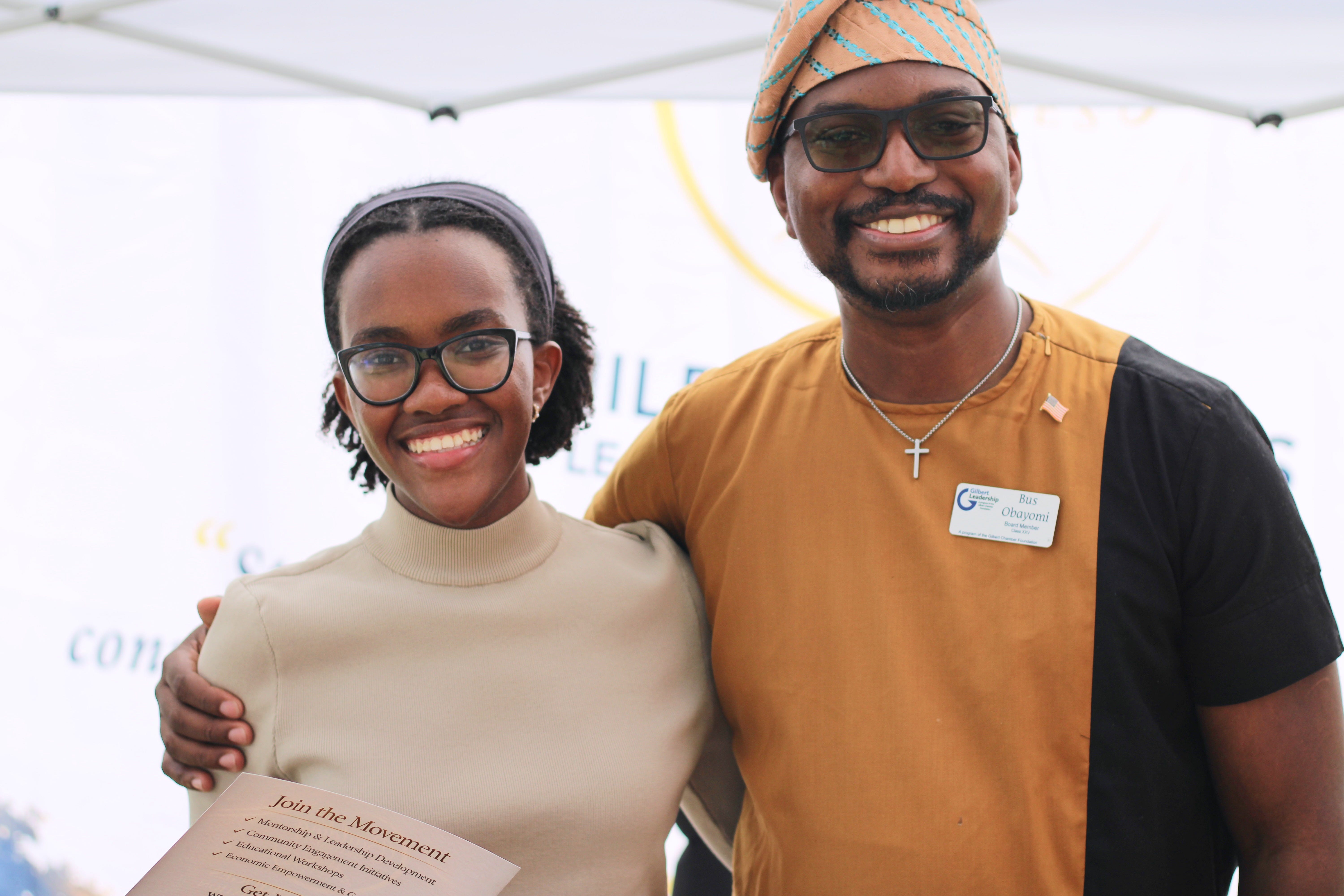
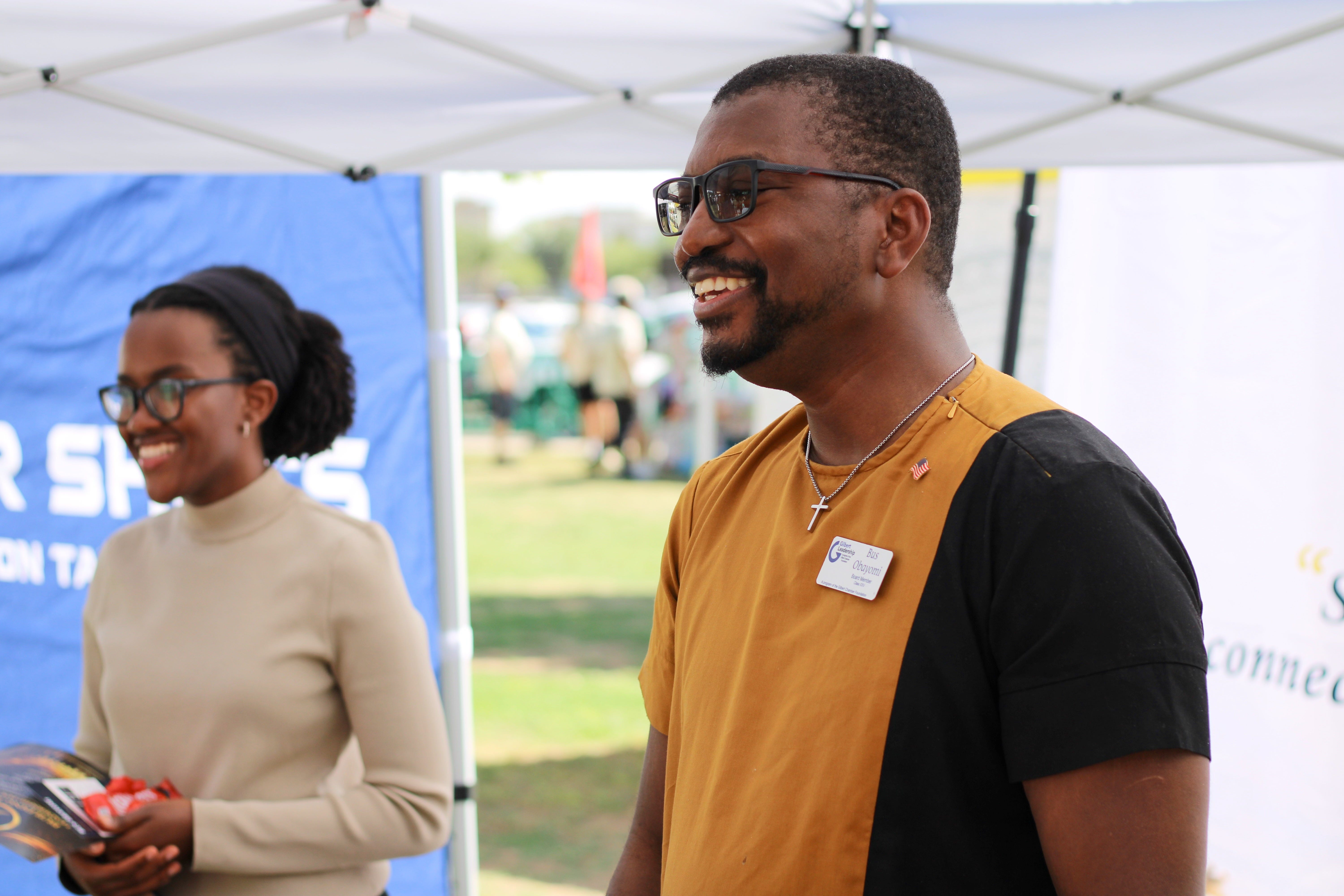
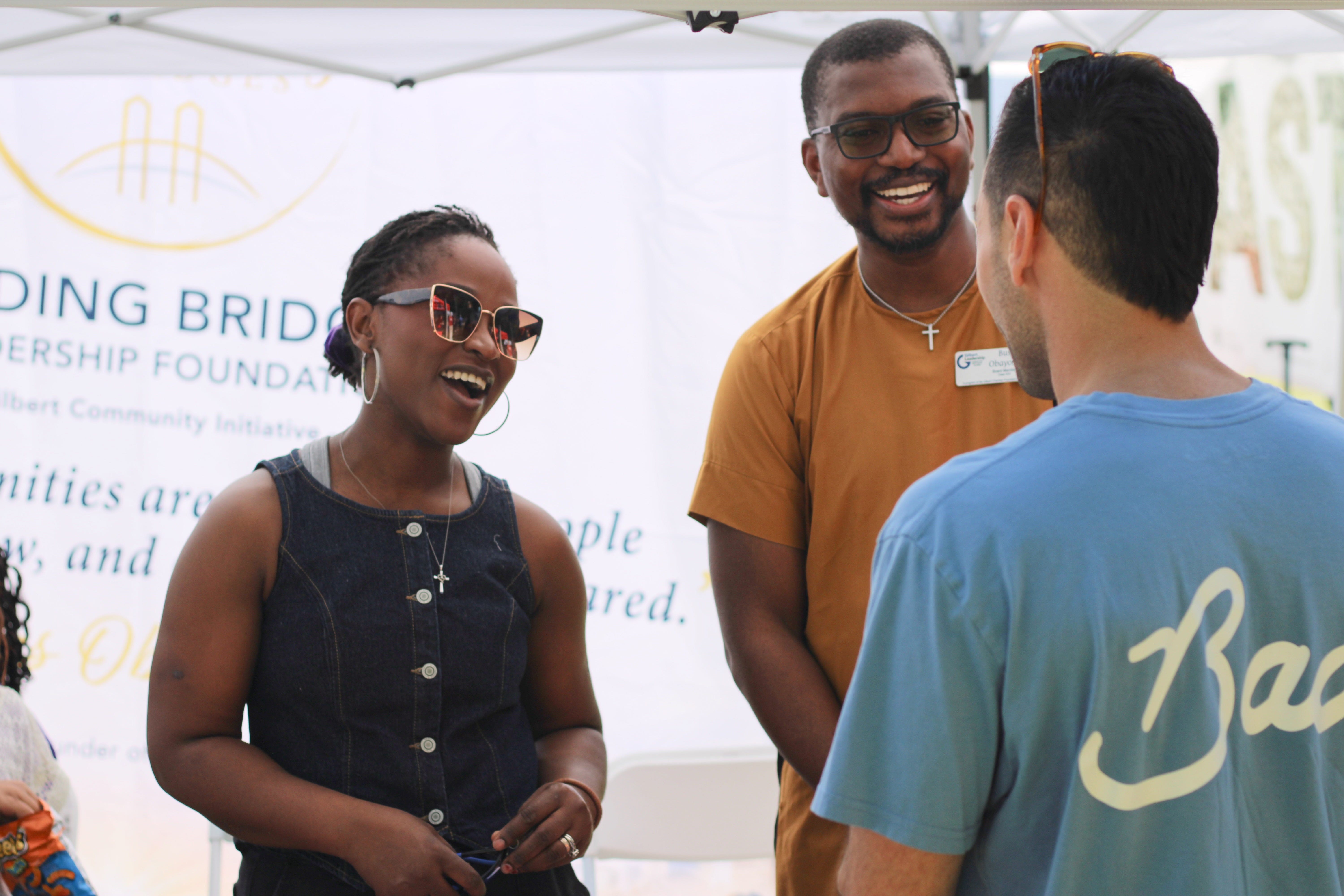
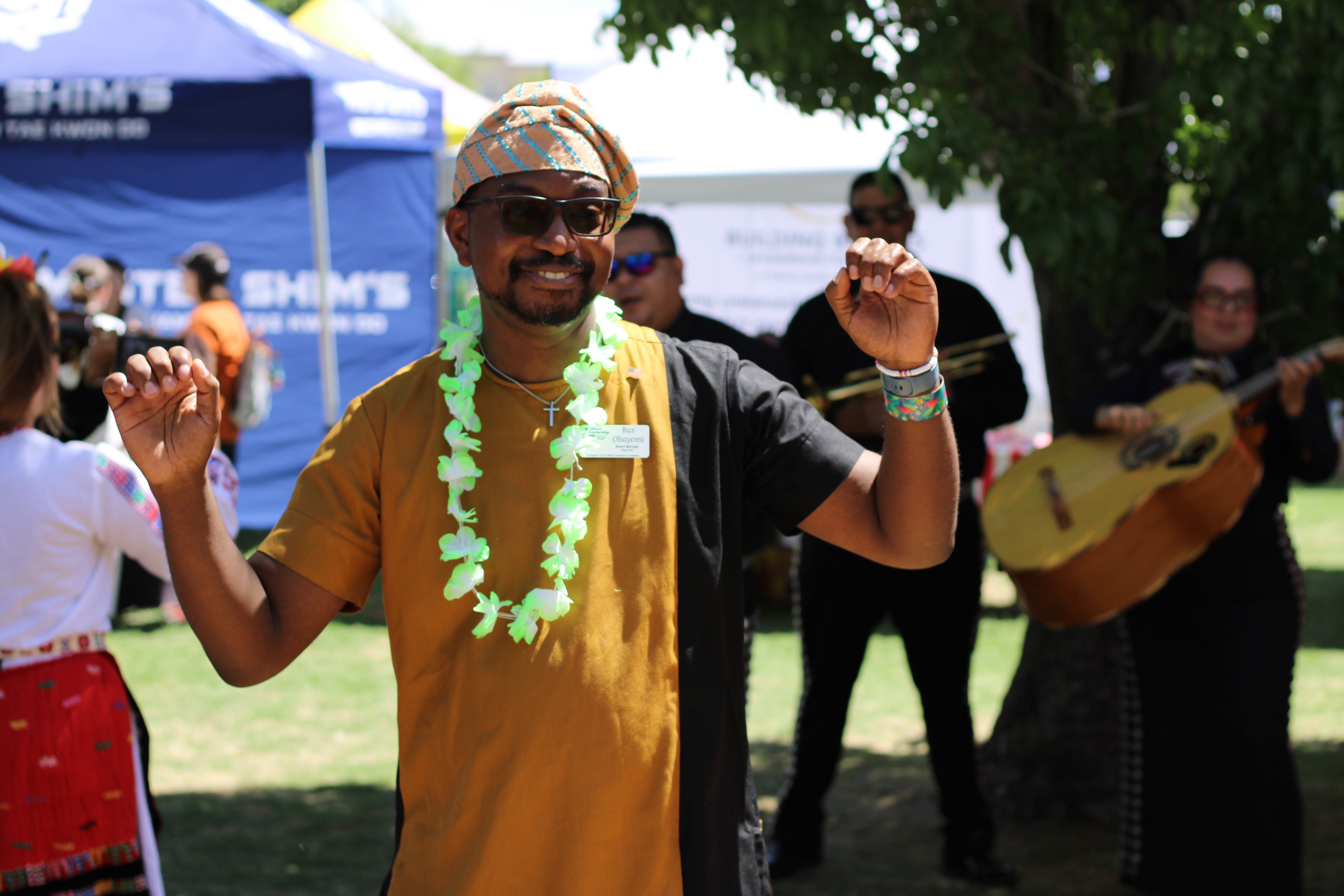
There was a moment at the Global Village Festival that stopped me.
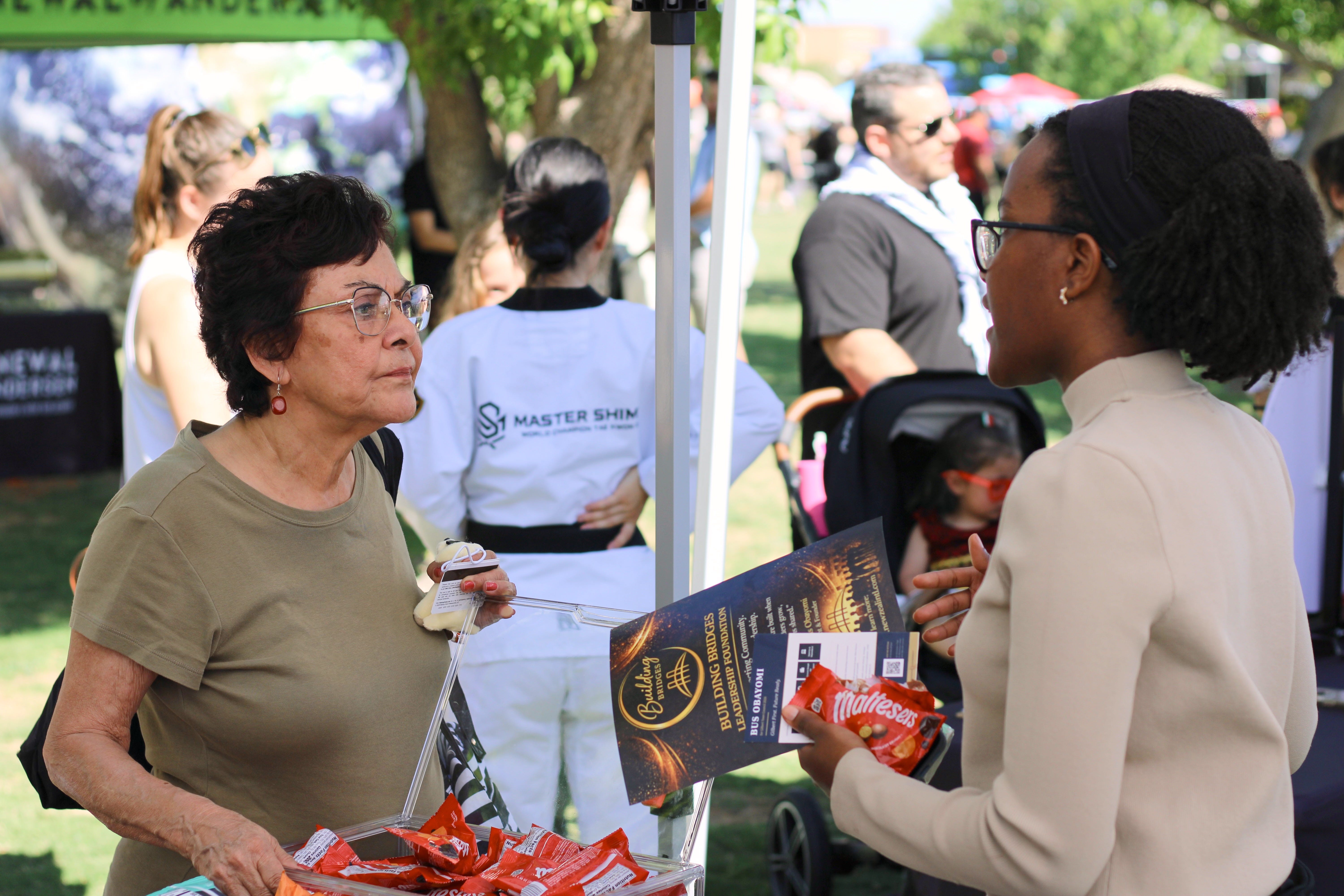
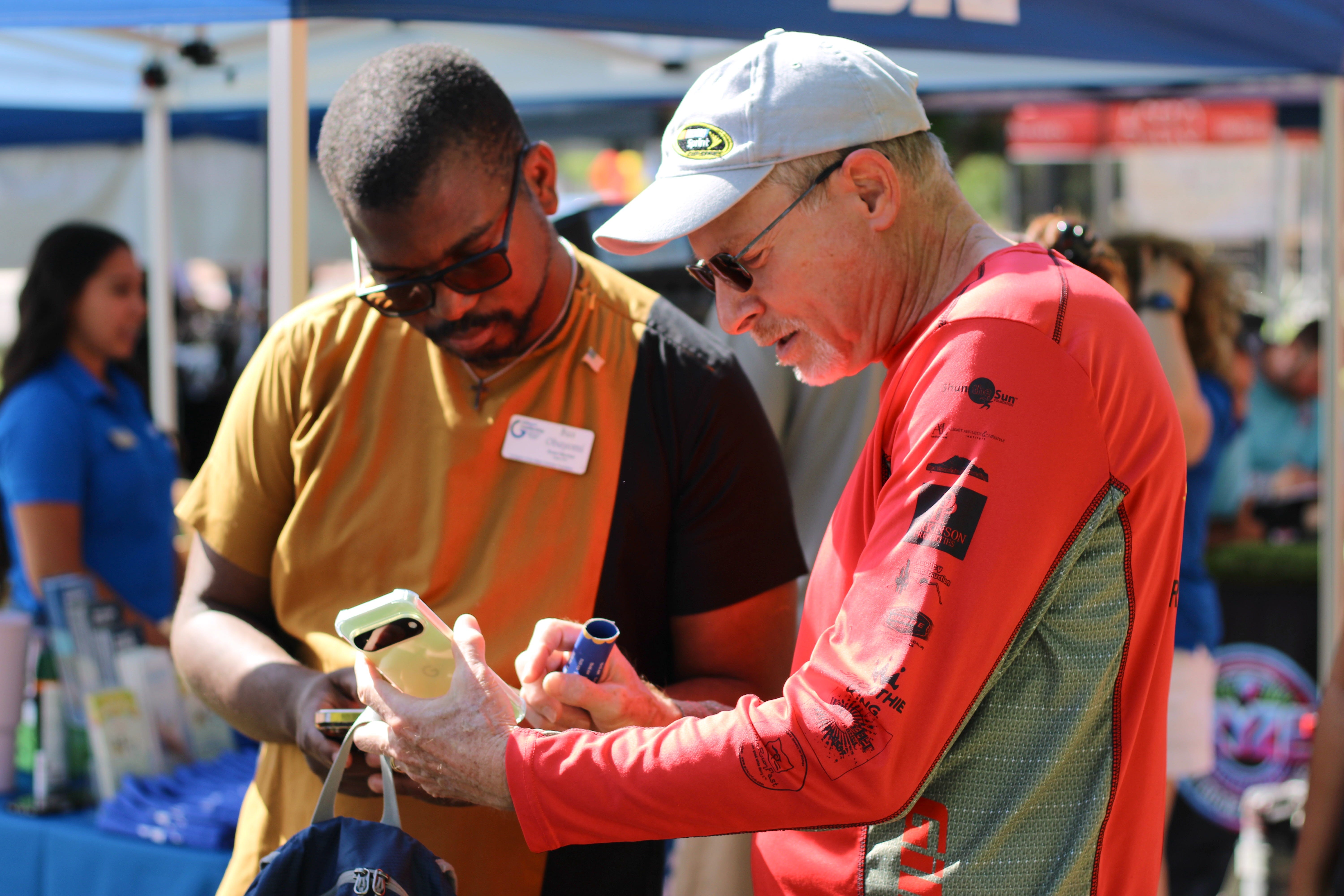
Not because of the music. Not because of the crowd.
But because of what it represented.
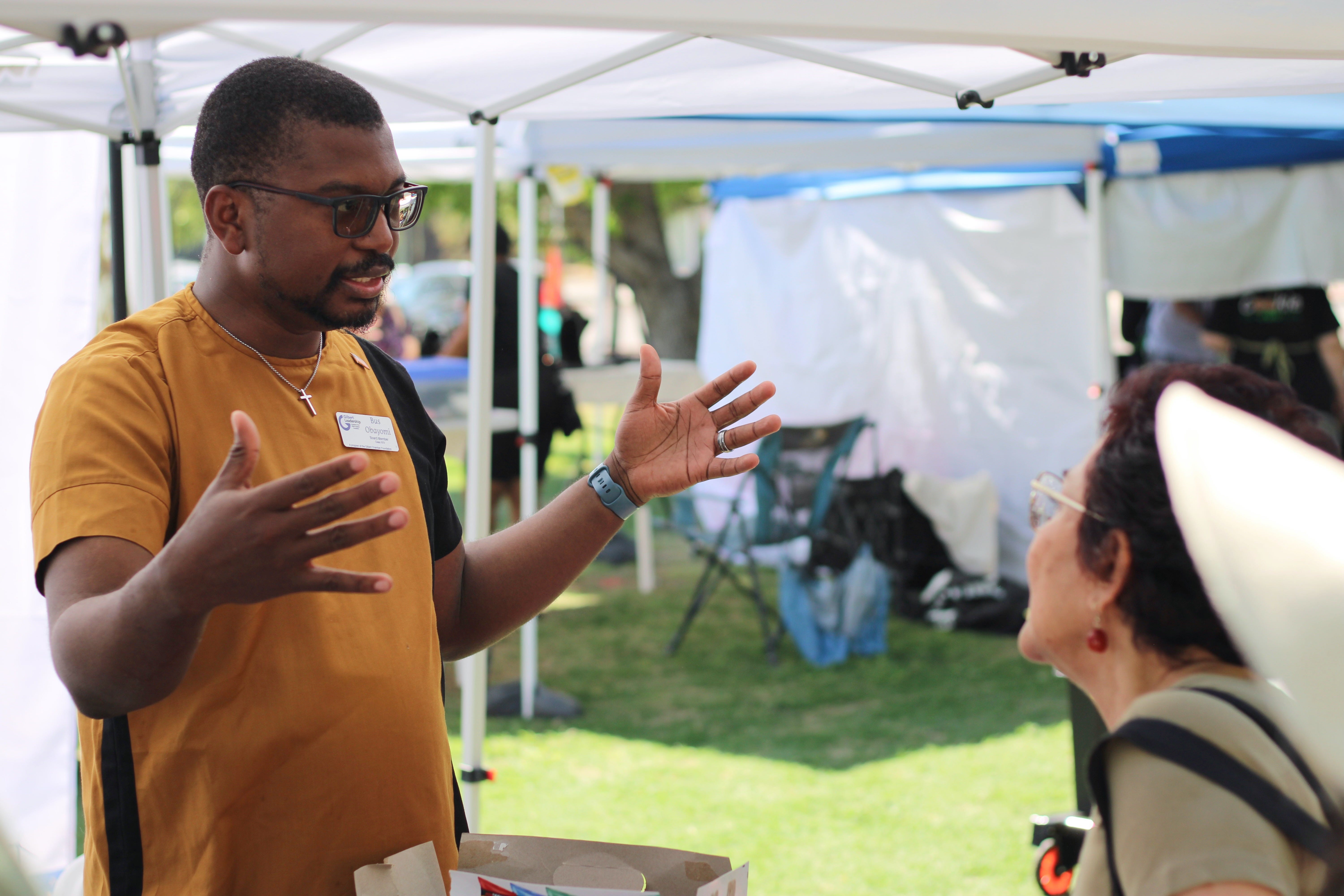
I was standing there—talking to families, laughing with strangers, sharing the vision behind Building Bridges—and it hit me:
I am no longer trying to fit in. I am finally standing in who I am.
I moved to the United States at fourteen.
New York City. 10th grade. Right around 9/11.
I came with a mix of emotions—excited to reunite with my parents after years apart, but stepping into a new country, a new culture, and a new identity all at once.
High school was tough.
I was teased. Laughed at. Called names.
My accent made me stand out—and not in a good way.
So I did what many young people do—I tried to adapt.
I became quiet. I held back. I tried to blend in.
I immersed myself in hip hop and rap culture, hoping it would help me feel more American… more accepted.
I even remember asking my parents to stop speaking our native language at home.
Looking back, that moment still humbles me.
Because I thought my roots were the problem.
At the same time, something else was growing inside me.
A deep love for America.
I became fascinated with American government—leaders like Theodore Roosevelt and Frederick Douglass inspired me. Their courage, their conviction, their belief in what this country could be—it stayed with me.
But for a long time, I didn’t know how to reconcile the two parts of my identity.
Was I Nigerian? Or was I American?
I thought I had to choose.
It took years to realize something simple, but powerful:
No one has a monopoly on being American.
You can be proud of where you come from and fully committed to where you are.
There can be two truths at the same time.
I can love this country deeply. I can serve my community with passion. And I can honor the Nigerian heritage that shaped me.
That’s not a contradiction.
That’s who I am.
Now, as a husband and a father, this matters even more.
My children are watching.
They need to see their dad own his identity—not hide it, not shrink it, not apologize for it.
Because if I don’t show them that, what will they believe about themselves?
That’s why the Global Village Festival meant so much to me.
I wasn’t the quiet teenager anymore.
I was engaging. I was connecting. I was representing both my roots and my community.
I wasn’t trying to be accepted.
I already belonged.
And more importantly, I was helping others feel like they belonged too.
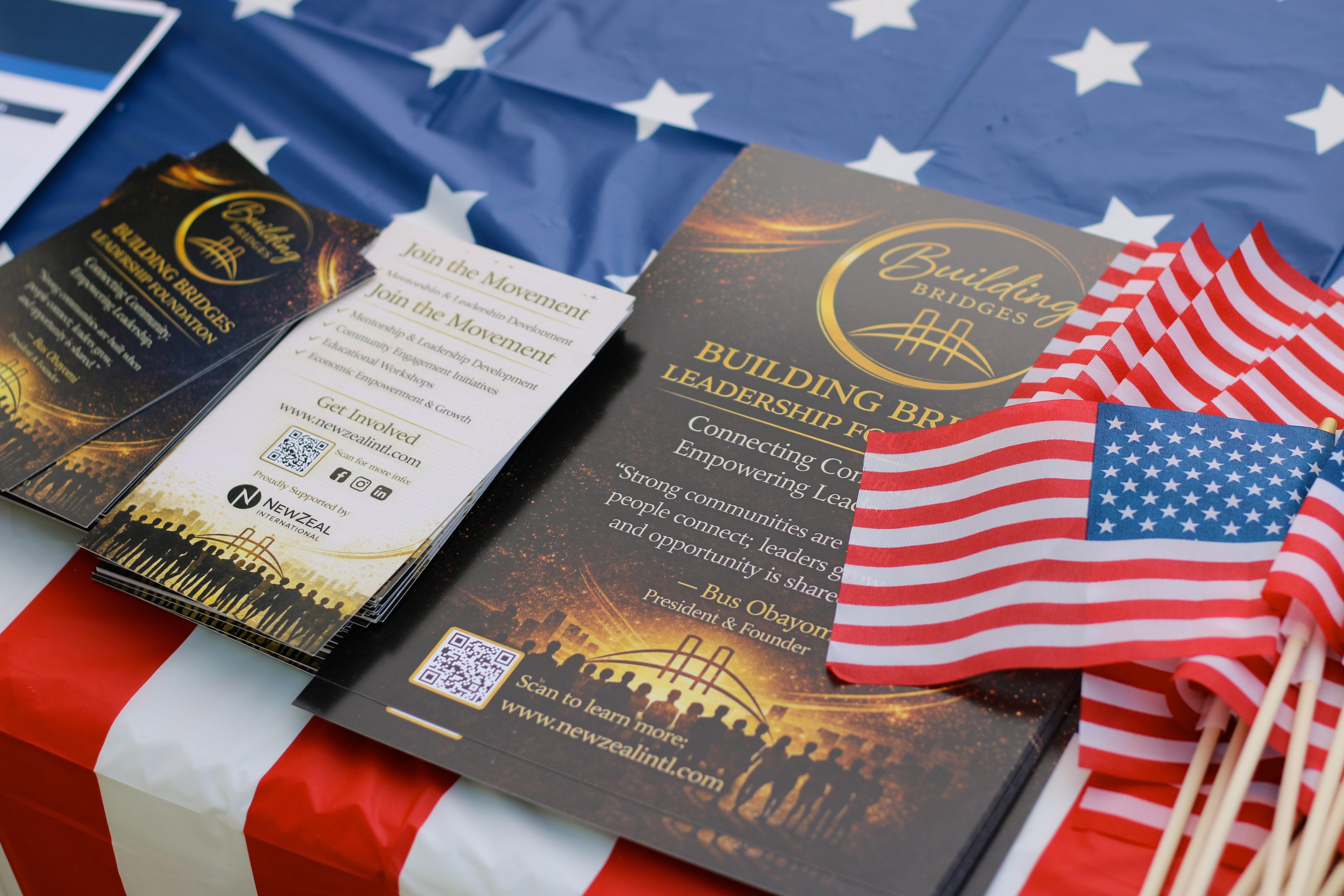
That realization is exactly why I launched Building Bridges— and why the Building Bridges Leadership Foundation exists today.
Because I’ve lived the tension of not knowing where I fit.
And now I know:
We don’t have to fit into boxes.
We can build bridges.
Between cultures. Between communities. Between identities.
There is power in convergence.
You don’t have to be one thing.
You can be all of who you are.
I am Bus Obayomi.
An American who takes pride in his Nigerian roots. A business leader passionate about local government. A man grounded in faith.
I’m no longer the teenager who stayed quiet out of fear.
I’ve found my voice.
And through Building Bridges, I want to help others find theirs too.
Because when people are free to be fully themselves— communities don’t just grow… they thrive.